


Microservices engineering and modernization
With 20+ years of custom software development experience, Vention designs, modernizes, and scales systems using microservices architecture. Our team defines clear service boundaries, implements independent services, and establishes the operational foundations required to run distributed systems reliably in production, even as complexity increases over time. Recent client engagements illustrate the range of modernization, scaling, and architecture challenges we help solve:

When microservices adoption is justified
Microservices are effective when independent delivery and uneven scaling are core system requirements. They are especially relevant when an existing architecture has become a constraint, or when delivery, reliability, and scaling pressures are expected and must be built into the system from the start.
Increased product complexity
When products grow, changes in one area can affect unrelated functionality. In this situation, the risk of user-facing failures increases, and incidents often require full-system rollbacks. Microservices help by isolating functionality within clear service boundaries, which limits the impact of change and keeps failures from spreading. For Curve, we added new functionality to its existing microservices architecture. The features we developed helped support Curve’s record-breaking £9.4M (~$12.5M) in funding.
Mounting technical debt
Over time, tightly coupled codebases become hard to evolve. When data stores are shared, business logic is centralized, and dependencies are implicit, and even small changes can feel risky. Microservices enable gradual modernization as legacy components can be replaced one at a time while the rest of the system continues to run. At Juice Plus+, Vention recovered a modernization initiative that had stalled for 18 months by transitioning the platform to a microservices architecture.
Different parts of the system evolve at different speeds
When frequently changing and stable domains share a single deployment lifecycle, teams are forced to deal with operational overhead that can take the form of release coordination, extended testing cycles, and risk management activities unrelated to the change itself. Microservices allow domains to evolve and deploy independently, aligning release cadence with actual change cycles. For Upvest, Vention implemented 19 microservices supporting more than 500K users, giving teams the ability to develop and operate services independently as the platform scaled.
Need for enforcing compliance boundaries
A shared architecture makes it difficult to enforce distinct data access or regulatory requirements across different system components or geographic regions. With microservices, each service can be aligned with domain-specific rules.
Microservices reduce coordination overhead at the code and release levels. They also introduce new operational demands across deployment, observability, and runtime management.
Adoption should be therefore based on specific delivery, scaling, and reliability needs rather than architectural trends.”

Senior full-stack developer at Vention
Microservices use cases Vention supports
Vention supports microservices initiatives across all primary use cases:
- Engineering production-ready microservices.
- Migrating legacy systems to microservices through our legacy app modernization practice.
- Scaling existing platforms where independent delivery and uneven load are core requirements.
- Isolating critical functions for regulated and enterprise platforms.
Building event-driven and distributed architectures
Device fleets, real-time data streams, and multi-region systems don’t work well with constant direct service calls. In these environments, event-driven communication is often a very practical choice.
Vention applies this approach when designing distributed microservices platforms built around publish–subscribe patterns, message brokers, and event streams. For Altruist, we built a resilient, event-driven, self-clearing platform featuring advanced tools for monitoring potential errors and performance issues.
Monolith to microservices migration
At Vention, lower coupling and predictable delivery are achieved through incremental decomposition, in which domain-aligned services replace legacy modules via explicit APIs and defined data ownership. Systems can then evolve gradually, reducing technical debt while preserving business continuity.
High-load and scalable microservices systems
High-load environments require microservices designed with explicit performance and reliability targets. At Vention, this typically includes stateless service design, selective use of event-driven integration, and infrastructure that supports horizontal scaling. For example, in a fintech platform built for Upvest, Vention implemented 19 microservices to support onboarding for more than 500,000 users.
Isolating system’s critical functions
In systems with regulated data flows, third-party integrations, or uneven load, microservices are often used to isolate certain system functions. Common examples are payments, messaging, or identity management, but it can be any service that requires its own scaling, access controls, or deployment lifecycle. Vention’s engineers have delivered microservices for platforms subject to FATCA, MiFID, PCI DSS, and HIPAA requirements, isolating regulated data flows, payment processing, and identity management into independently deployable services.
In a project for Kafene, Vention built a microservices-based data-processing platform that ingests and normalizes data from multiple sources while maintaining strict operational and security boundaries.
Accelerating development
When services are developed independently, teams move faster. Separate codebases and no need to coordinate every release cut down much of the back-and-forth that's common in tightly coupled systems.
Vention helps establish the right foundations for parallel delivery. With clear API contracts, consistent observability, and service-level CI/CD pipelines in place, teams can ship features to production without causing unexpected side effects elsewhere in the system. One example is Tails.com, where we implemented automated build testing and Datadog monitoring to support faster development cycles and provide teams with better insight into platform health.
Related capabilities

Insights from our expert
Microservices may look straightforward in architecture diagrams, but their real complexity shows up in production, especially when evolving legacy systems under live traffic.
At Vention, our architects specialize in making those transitions safe, keeping distributed systems running while they transform.”
Senior full-stack developer at Vention
What to expect when you build, scale, or migrate to microservices with Vention
Clean code
Spaghetti code increases the risk of unintended coupling between services and makes change slow and expensive as systems evolve. To avoid this, Vention enforces clean code practices, including clear separation of responsibilities within services, readable and testable domain logic, and disciplined dependency management.
Reliable integration
Vention teams treat integrations across APIs, events, and messaging as core architectural elements. Communication patterns are chosen based on the system's actual needs for consistency, latency, and failure tolerance.
Teams use direct synchronous calls when an immediate response matters, and rely on asynchronous messaging to keep services decoupled and resilient. Integrations are built around clear contracts and ownership, with sensible retry, timeout, and error-handling strategies.
Customization
Vention clients usually work with a mix of worker microservices for background tasks and request-driven services that handle real-time user interactions. While some capabilities can stay generic (e.g., authentication, authorization, or notifications), most services reflect business-specific rules.
Some typical examples include pricing logic, order and transaction handling, customer interactions, approvals, and multi-step workflows. At Vention, we shape service boundaries, data ownership, and communication patterns based on how the business actually operates rather than inheriting structures from a legacy system.
Stability under high load
Vention’s strategy is to build microservices that operate reliably under both normal conditions and pressure. Rate limiting and resource isolation at service boundaries, scaling strategies, timeouts, retries, and load shedding are part of this effort. Together, these measures help prevent localized failures from spreading across the system.
Observability
In monoliths, failures are usually contained and easier to track down. In microservices, the same issues can spread across services, networks, and dependencies.
Vention builds observability into the system from the start. We implement logging, metrics, and tracing so teams can detect problems in production, understand the scope of impact, and act before issues escalate.
AI-enabled development practices
Alongside traditional delivery, Vention integrates AI-enabled development practices throughout the microservices lifecycle. Engineers use generative AI to assist with boilerplate code generation, comprehensive test creation, and intelligent code reviews that identify potential bugs and security vulnerabilities early. These practices reduce manual effort and regression risk during both greenfield development and complex legacy migrations, which helps improve efficiency across the delivery pipeline.
Comprehensive test coverage
In microservices, services need to evolve without breaking critical workflows. Test coverage is focused on the areas where failures matter most, such as APIs, service integrations, and high-impact flows like payments, authentication, and checkout.
Vention treats testing as part of everyday delivery and never as a numbers exercise. We put the right tests in place at the right levels and combine automated checks with targeted manual testing to maintain confidence without slowing teams down.
Vention’s approach to microservices delivery
CVs within 48 hours, 14 days to start the project
Microservices initiatives typically require solution architects to define service boundaries, backend engineers to implement domain logic, and DevOps specialists to set up CI/CD and runtime standards. For larger products, the involvement of frontend engineers may be required to deploy micro-frontends aligned with backend service boundaries. Vention provides pre-vetted architects and engineers with proven experience in microservices delivery. You’ll get relevant CVs within 48 hours or sooner, so you can validate experience and seniority. Project kickoff typically takes up to 14 days and covers access setup, onboarding, and alignment on delivery standards.
Hands-on expertise in 30+ industries
Microservices architecture is shaped as much by the business domain as by technology choices. Industry context influences workflow design, compliance requirements, data ownership, and operational trade-offs in production. Without a clear understanding of the domain, service boundaries tend to follow the codebase instead of how the business actually works.
Vention’s experience across more than 30 industries, including regulated sectors such as healthcare and fintech, helps reduce the risk of designing services that look clean in diagrams but fail under real operating conditions.
Collaborative delivery with technical judgment
Vention teams combine execution with active technical judgment. Based on insights into your business logic and architecture, we challenge assumptions, validate service boundaries, and surface trade-offs early. Once decisions are made, teams move forward with clear ownership and accountability.
Technology proficiency
Microservices require consistent execution across backend, frontend, cloud, and operations. With 3,000+ engineers, Vention covers the full microservices stack:
- Backend and frontend development for service and client layers
- Cloud-native infrastructure and container orchestration
- DevOps pipelines, observability, and runtime operations
- Security practices aligned with distributed systems
In microservices programs, Vention complements traditional engineering with AI-assisted development workflows, which improves efficiency across delivery pipelines while preserving sound architecture and engineering judgment.
Technology stack and the infrastructure for microservices
Microservices do not succeed on code quality alone. They require deliberate architectural choices, reliable infrastructure, and disciplined DevOps practices.
Capability | Technology stack | How we deliver |
|---|---|---|
Programming languages and frameworks |
| In microservices projects, language selection directly affects latency, memory usage, and overall stability. At Vention, we don’t enforce a single standard. We choose technologies based on each service's responsibilities and the performance characteristics it requires. |
Containerization and orchestration |
| Vention’s typical activities that ensure services behave predictably in production include:
|
Continuous integration/delivery (CI/CD) |
| Vention builds per-service CI/CD pipelines with API contract testing, progressive deployment strategies for green and canary environments, and fast rollback paths. Such setups enable independent deployments, faster releases, and tighter control over change, all without reintroducing the coordination overhead typical of monoliths. |
API management |
| Vention defines service APIs and gateway policies, including versioning, routing, rate limiting, and backward compatibility, so services evolve safely without breaking dependent systems. |
Service communication |
| Whether your system demands event-driven integration or direct service-to-service calls, Vention establishes communication patterns that meet your consistency, latency, and reliability requirements. |
Observability and monitoring |
| End-to-end request tracing, service-level health signals, and correlation between technical metrics and user impact are essential in microservices environments. They help detect cascading failures and track performance in distributed systems. |
Security and access management |
| Service identity, trust boundaries, and access policies are essential for distributed environments. The security models Vention delivers cover service-to-service authentication, least-privilege access, and secrets management. |
Testing and quality assurance |
| Going beyond isolated unit tests, microservice testing covers service contracts, APIs, and critical end-to-end flows. At Vention, teams apply automated testing to refactor services safely by continuously validating their behavior and boundaries. |
Data integrity |
| Vention helps teams define clear data ownership, consistency models, and synchronization patterns that keep distributed data reliable and predictable. |
Our projects with microservices at the core
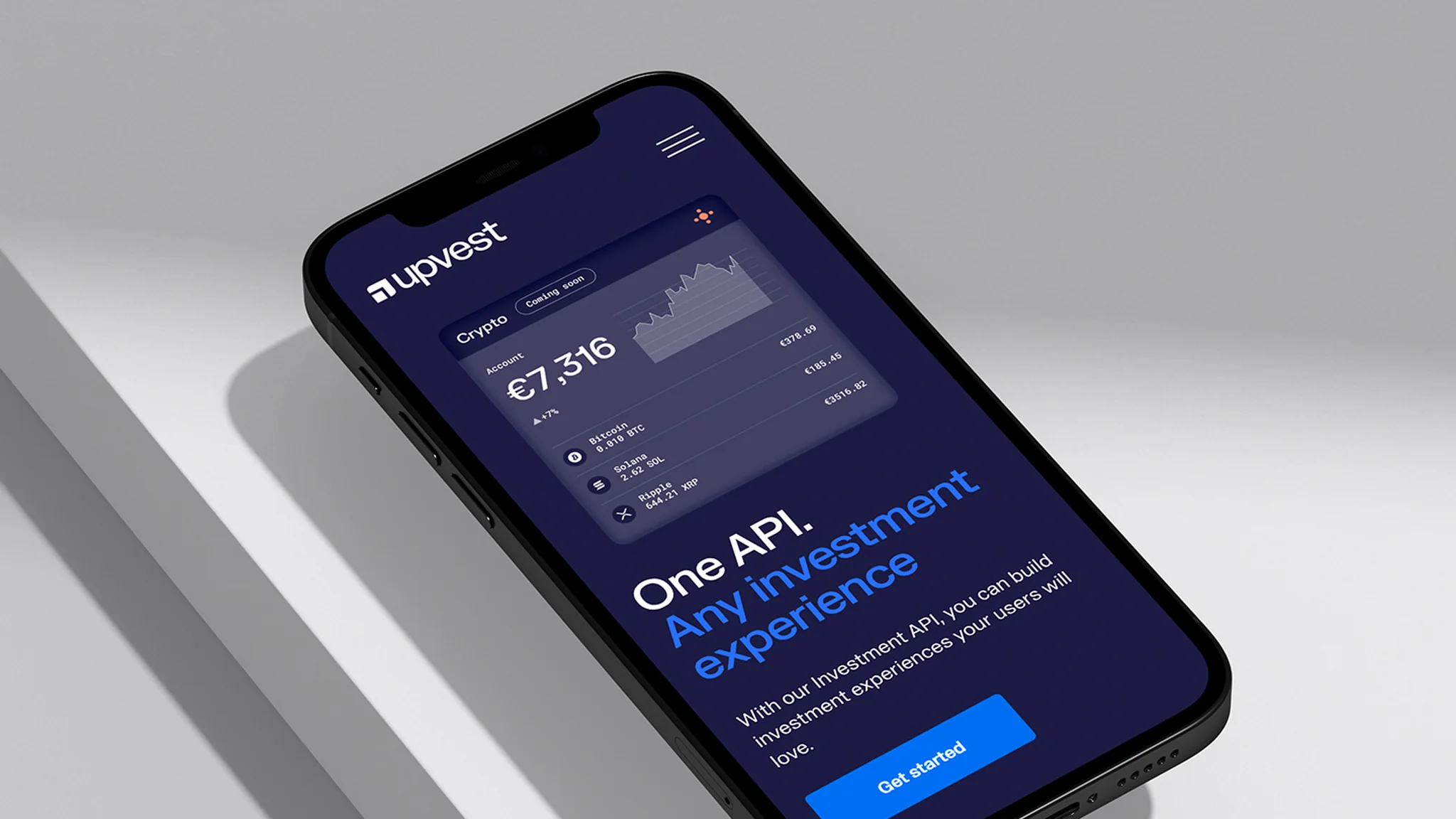
Delivering 19 microservices to onboard 500K+ users for Upvest
When Upvest faced an urgent need to modernize its platform, Vention supported the company across product design, development, release, and ongoing maintenance. The work focused on performance optimization, evolution of core platform components, and the introduction of observability and end-to-end traceability across service flows. For Upvest, Vention's team implemented 19 Go microservices that handle £80M+ (~$100M) in transaction volume, with FATCA and MiFID compliance, and onboarded more than 500K users.
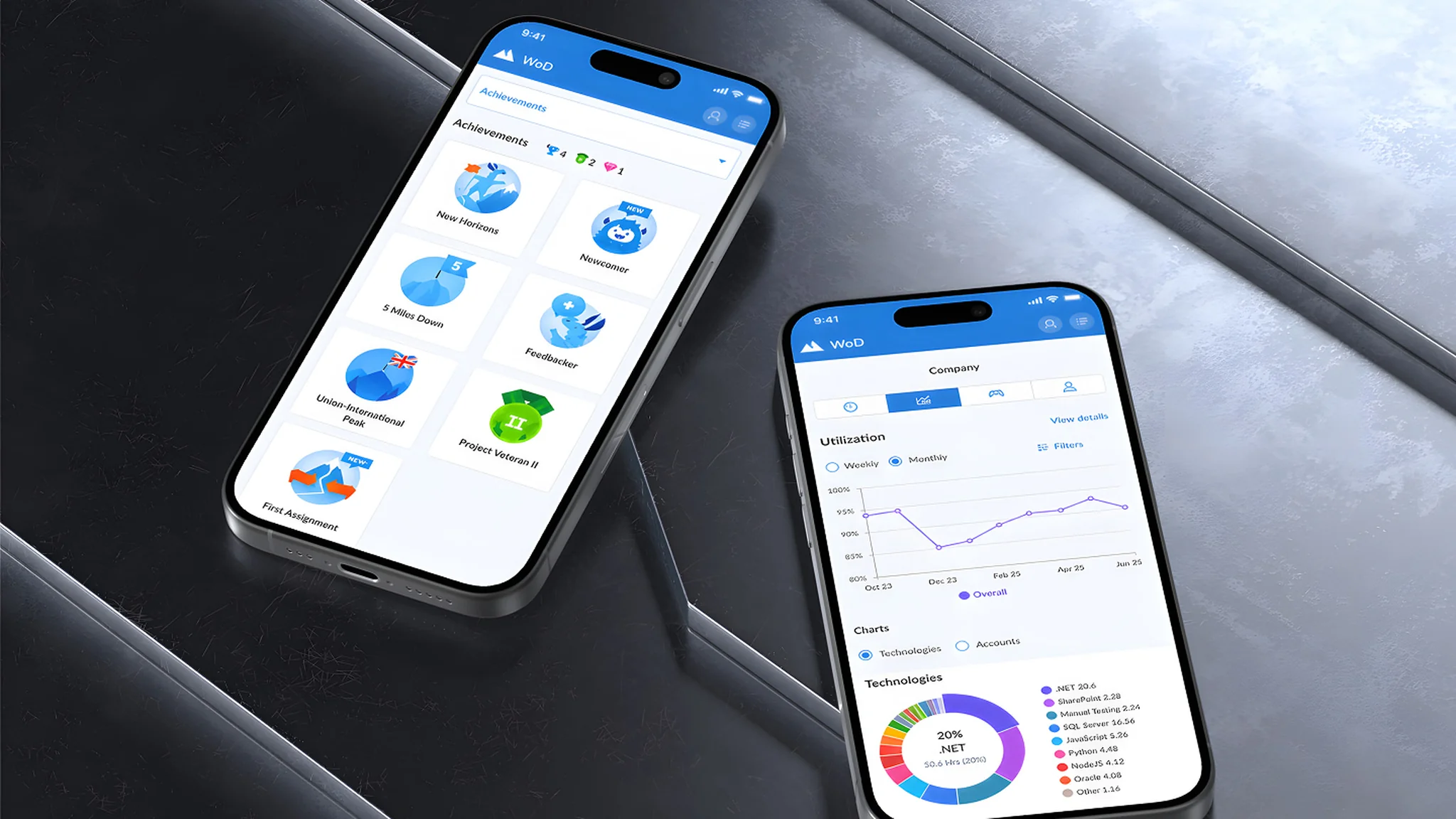
Scaling the backend of an IoT product with microservices
After securing funding, a Boston-based IoT company needed to scale its cloud infrastructure to support growing numbers of connected devices and future product expansion.
What started with two senior engineers embedded into the client's team to design and implement a distributed microservices architecture quickly grew into a larger team. As the company’s former VP of engineering put it: “Vention has done a good job of building a large team that can scale along with a company.”
Our team introduced a publish/subscribe messaging backbone, built a scalable socket server for device connectivity, and helped evolve the cloud platform into a production-ready system.
During our engagement with a Boston-based IoT company, Vention delivered a scalable cloud backend for connected IoT devices, established a distributed microservices architecture built on open-source technologies, and preserved full ownership of the company's data and cloud infrastructure, avoiding reliance on third-party IoT platforms.
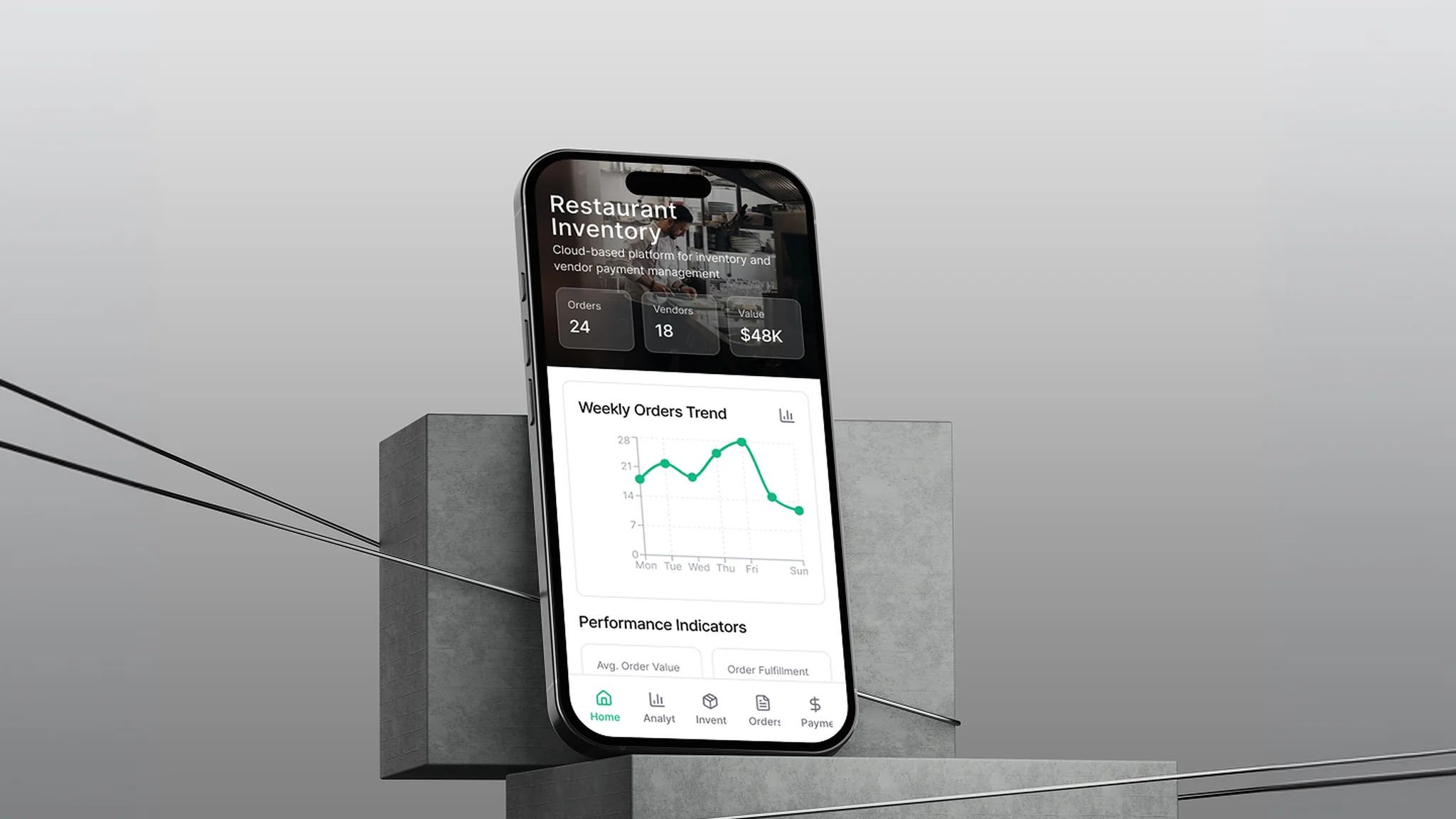
Reduced technical debt for a restaurant inventory platform
A provider of restaurant inventory and vendor payment management software needed experienced engineers to address staffing gaps and maintain development velocity. The platform also required architectural improvements to support growth and ongoing feature delivery.
Vention engineers joined the client's team to develop new platform features, refactor repositories into microservices, write unit tests, resolve L3 support issues, and improve system performance for high-load workloads.
Among the deliverables Vention contributed, Ady Levy, VP of R&D, highlights:
- New microservices that reduced technical debt and created a cleaner, more maintainable codebase.
- New platform capabilities, including order quantity controls, scan portal enhancements, and dashboard improvements.
- System performance optimizations for high-load processes such as reporting.
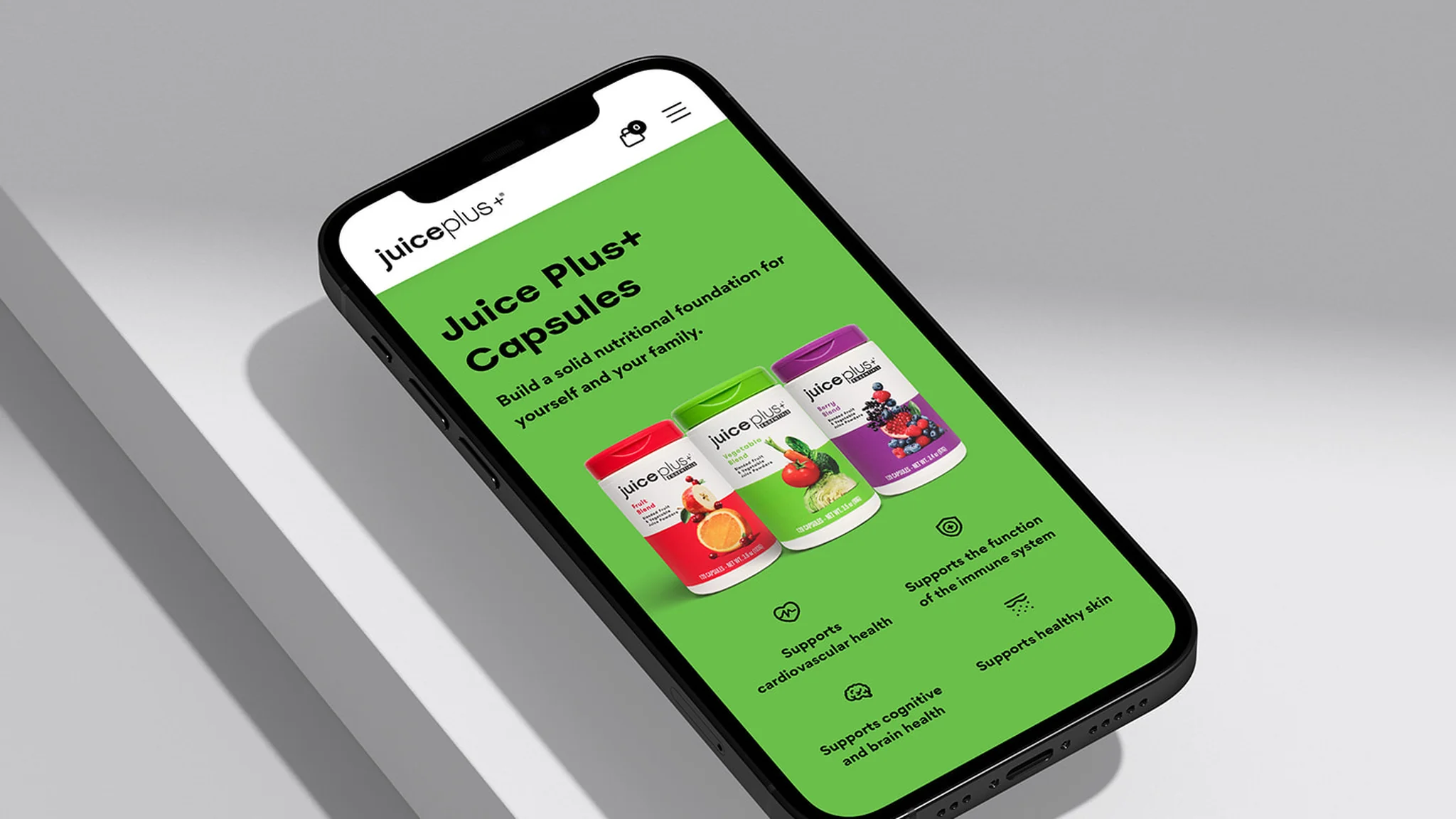
Getting modernization initiative back on track for Juice Plus+
Juice Plus+, a global health and wellness company operating in 20+ countries, needed to modernize legacy systems that had become difficult to evolve. An ongoing transformation initiative was already 18 months behind schedule, and the company required a new architectural direction to accelerate delivery and improve platform performance.
After completing an infrastructure audit that was delivered 3x faster than expected, Vention assumed responsibility for the modernization effort. Within three weeks, we assembled a team of 25 senior engineers and architects to redesign the platform, introduce a microservices architecture, and develop mission-critical functionality.
Serving 200K+ clients better at Tails.com
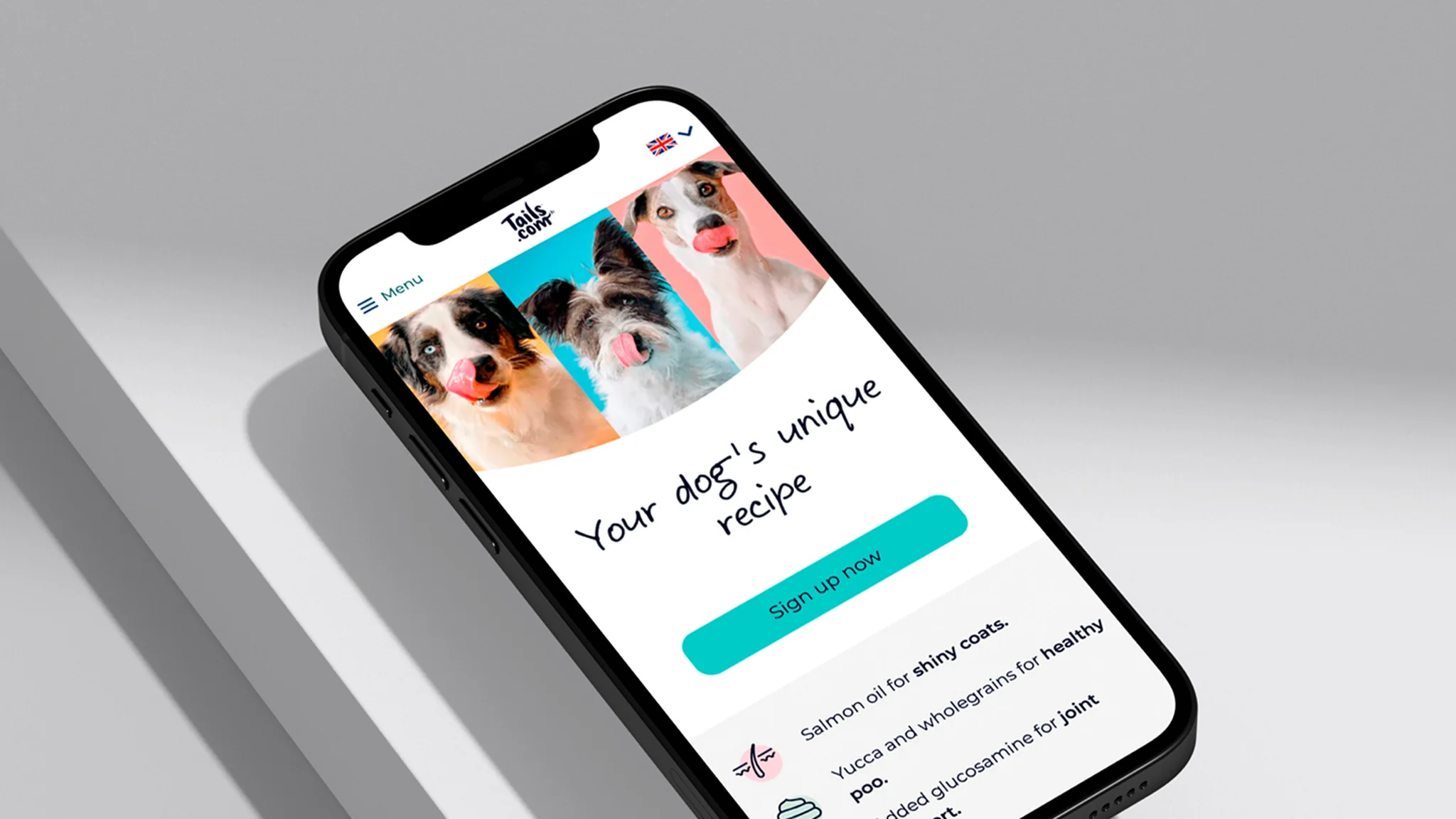
Tails.com, a Nestlé-backed pet nutrition company, needed to evolve its platform to support continued growth and deliver increasingly personalized customer experiences. The company sought an engineering partner that could quickly augment its team and modernize key parts of the platform serving more than 200K customers across Europe.
Vention deployed a team of five engineers who enhanced the existing platform, developed new microservices, and introduced functionality for catalog management, order prioritization, and billing. We also implemented automated build testing and Datadog monitoring to improve software delivery and operational visibility.
Over 10 months of collaboration, Vention helped Tails.com expand platform capabilities for more than 200K customers across Europe, accelerate purchasing workflows through new automation features, and strengthen the platform's scalability with a microservices-based architecture. The company continued its rapid growth, increasing monthly deliveries from 9M to 15M meals across 10 countries.
Supporting RethinkFirst in its growth
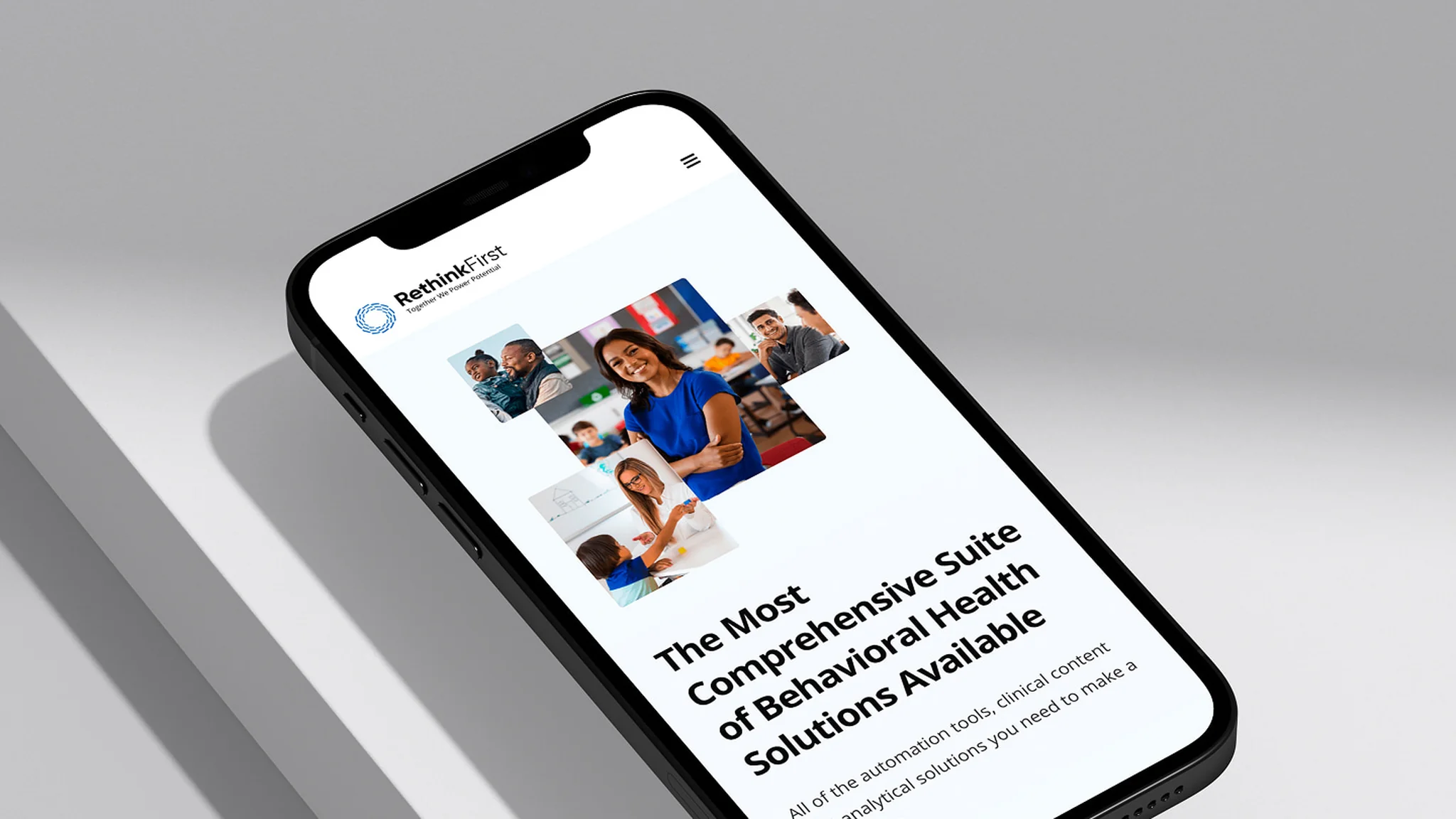
RethinkFirst, a provider of autism and behavioral health solutions, was experiencing the limitations of its cloud-based architecture as the platform grew. The company needed to modernize key systems to improve scalability, accelerate feature delivery, and support a growing customer base that included thousands of organizations worldwide.
Over 3.5 years, Vention involved 52 engineers across four concurrent sub-projects. Vention helped RethinkFirst modernize core platform capabilities through a microservices architecture that improved scalability and operational efficiency. The company strengthened its ability to deliver new features, support complex healthcare workflows, and serve thousands of clients globally, including nearly one-third of Fortune 100 companies.
Securing leadership for Altruist
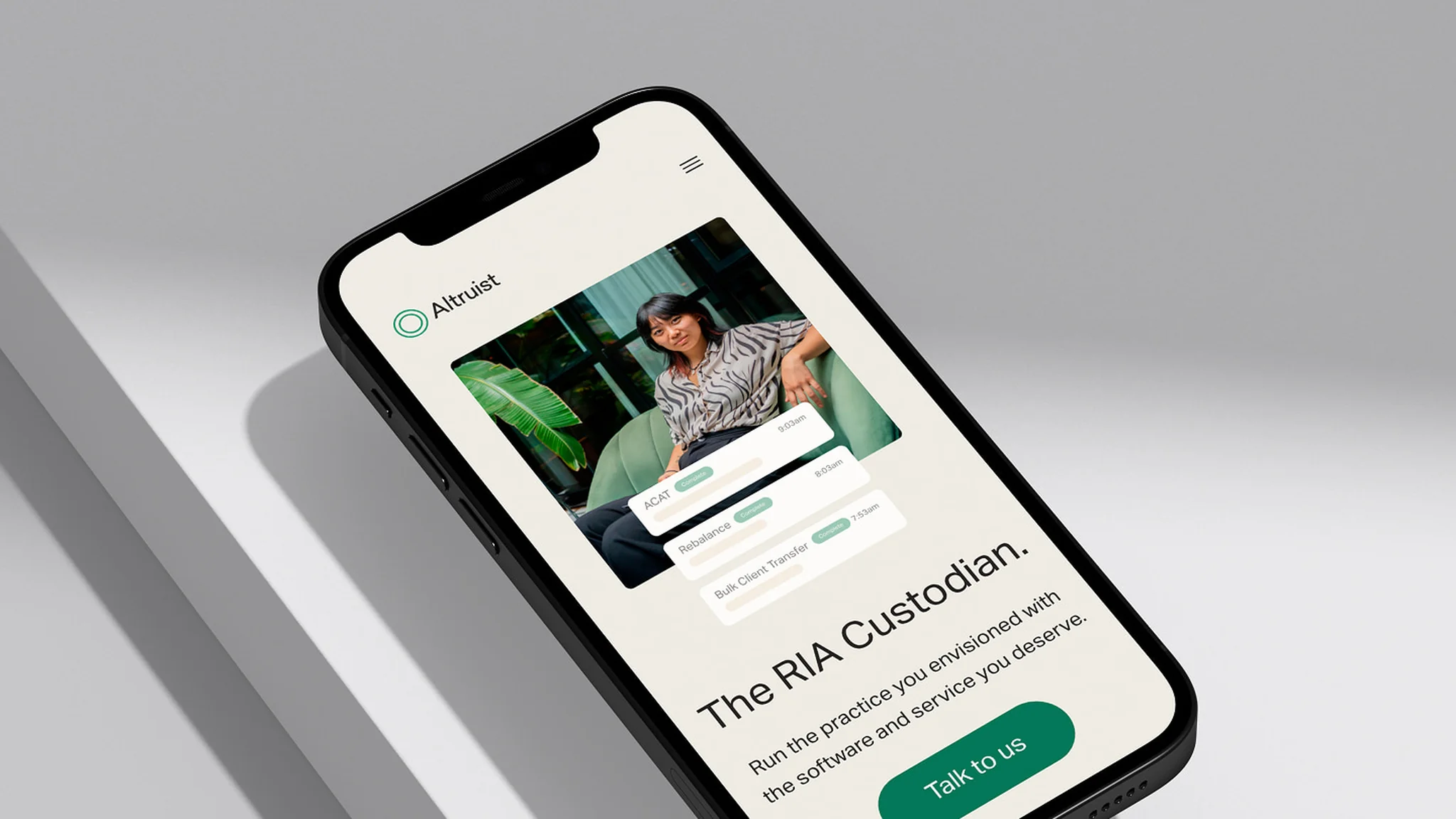
Altruist, a custodial investment platform for registered investment advisors (RIAs), needed to scale its engineering capacity following funding rounds totaling $280M. The company set out to build a proprietary self-clearing platform, reduce reliance on third parties, and support a rapidly growing enterprise customer base.
Over two years, Vention expanded from an initial team of five engineers to 17 specialists. Working across multiple engineering pods, we built a self-clearing platform from the ground up, developed event-driven microservices, integrated new and existing systems, implemented automated customer account transfers, and produced technical documentation to support customer onboarding and platform integration.
The solution we delivered enabled Altruist to become the industry's first all-in-one custodian, create a new clearing-as-a-service revenue stream, and support continued growth with a team that expanded 3x during the engagement.

Building a scalable system for Boomin
Boomin, a real estate platform connecting home seekers with owners of properties not yet on the market, needed a technology partner to help turn its business vision into a scalable digital product and support a public launch.
Over a 2.5-year engagement, Vention assembled a team of 16 specialists to support product discovery, solution design, UX/UI development, and engineering. We built core platform functionality, implemented secure authorization and monitoring capabilities, and designed a cloud-based microservices architecture to support scalability and resilience.
Client reviews

Ady Levy
VP RnD, Restaurant inventory platform
“Vention created new microservices with unit tests that reduced tech debt and allowed for a cleaner and organized code base. [The most impressive thing about the company is] their exceptional responsiveness, flexibility, and clear communication that make a great positive impact on our projects.”

Geoffrey Teale
Head of Developer Experience, Upvest
“Together with Vention employees we’ve built and are supporting 19 microservices. In our test environment, we’ve successfully onboarded more than 500,000 users. The most impressive thing is the way we work together. They've also shown an understanding of the product's impact and developed the functionality taking into account the domain requirements and user experience.”

Director
Kafene, Point-of-sale financing platform
“We collaborated with different team members across the organization including the business team and closely follow our SDLC to deliver scalable and performant system made out of microservices with many data sources that flow into our data lake. The team is always ready to respond to any immediate need including quick time to resolution with impactful production issues.”
FAQs
How do you guarantee that the system won’t become more difficult to maintain?
Before adopting microservices, Vention conducts a thorough architecture assessment to ensure the move is justified by real business or technical needs. For example, our engagement with Juice Plus+ started with an audit before we proceeded with modernization. Once the strategy is defined, we establish clear service ownership boundaries and implement observability practices, including logging, metrics, and distributed tracing.
Do you just code or architect the system?
We do both and more. Our solutions architects co-design the system with your team (just as we did with Altruist’s self-clearing system and Upvest’s investment API), defining service boundaries, data ownership, and integration patterns based on your business domain. After that, engineers build production-ready services, while DevOps specialists automate CI/CD, security, and runtime resilience.
What cooperation models do you offer?
Most clients choose team extension, where Vention engineers integrate directly into a client's internal workflows as long-term collaborators. Agile ceremonies (daily standups, sprint planning, retrospectives) and shared tooling support this model.
If your requirements evolve, we adapt the team to match. As the former VP of engineering of a Boston-based IoT company shared in the review: “Vention has done a good job of building a large team that can scale along with a company.” Our team for Boomin encompassed 16 engineers, the team delivering for Altruist scaled from 5 to 17 engineers with time, and RethinkFirst project demanded 52 Vention team members.
For companies undergoing legacy application modernization, we also offer services focused on specific milestones, such as decomposing a monolith or implementing observability, which allows clients to retain control while accelerating delivery.
How risky is monolith-to-microservices migration?
When approached incrementally, monolith-to-microservices migration is typically far less risky than a full system rewrite and can be carried out while production systems remain operational. Risk is further reduced by starting with an architecture assessment or discovery phase (just as we did for Juice Plus+) to identify dependencies, define service boundaries, and plan the migration approach.