


Legacy software modernization services
Vention specializes in legacy software modernization, helping businesses modernize monolithic applications, undocumented systems, and end-of-life technologies through code refactoring, rearchitecting, cloud migration, and incremental rewrites. When documentation is missing or original architects are gone, we reverse-engineer legacy systems, recover critical business logic, reduce technical debt, and keep business-critical applications running throughout the transition.
Vention's legacy modernization track record includes:

Trusted by industry leaders
Legacy software modernization demands stability as much as transformation. Vention delivers both through controlled, incremental modernization that keeps production systems running. Long-term partnerships with DAQ Electronics (19 years), StoneX (12 years), and CoverWallet (9 years) demonstrate our approach: reducing technical debt, extending the lifespan of business-critical applications, and continuously modernizing software without disrupting day-to-day operations.
Common legacy modernization scenarios
With 20+ years of engineering experience across 500+ clients, Vention has helped organizations modernize legacy software for three common reasons: business growth outpaces legacy technology, external requirements make modernization unavoidable, or critical knowledge about the system has been lost.
Scenario | What you experience | What we do |
|---|---|---|
Legacy platform fails to support your growth plans | Whatever ambitious objective you have (e.g., to deliver a native mobile experience, relaunch as SaaS, or open an API), your legacy platform appears to be a constraint. | Vention modernizes your platform, avoiding over-architecture, transformation freeze, and scope inflation. For example, it took us 11 months to turn Gulf Relay’s internal tool into a commercial SaaS. As Ken Apple, VP of Product Engineering, said, “They delivered on every single ambitious goal we threw at them.” |
Modernization can’t be delayed due to external pressure | You have deferred modernization until a more convenient time, when your team has more capacity. However, a security audit, compliance deadline, end-of-life framework notice, or performance ceiling forces action anyway. | Vention engineers work alongside your internal team, bringing proficiency in both legacy and modern stacks as well as fluency in such compliance frameworks as PCI DSS, SOC 2, and HIPAA. As Christopher Osborn, a CTO at Voxy, described the impact of Vention’s update of its Django app: “Without this upgrade, we would not have been in compliance with security standards”. |
You need engineers to take control of a black-box codebase | A freelancer left, a vendor failed, or a core engineer departed, leaving behind undocumented code no one fully understands. Delivery stalls, scaling breaks down, and issues become hard to diagnose. | Vention’s experts reverse-engineer and stabilize the system, reconstruct missing knowledge, and map a clear modernization path. One example is Vrtly, which turned to Vention after its previous vendor demonstrated a lack of technical depth to scale the platform effectively. With Vention at its side, Vrtly achieved 2.5x business growth in 12 months. |
Modernization solutions tailored to your needs
Modernization strategy before implementation
Many organizations know they need modernization, but aren't sure whether refactoring, rearchitecting, rewriting, or migrating is the right approach. Choosing the wrong path increases cost, delivery risk, and unnecessary complexity.
Every modernization engagement with Vention starts with a technical assessment of your architecture, codebase, dependencies, infrastructure, and business constraints. We evaluate refactoring, rearchitecting, rewriting, and migration scenarios, explain the trade-offs of each, and build a modernization roadmap before implementation begins. We recommend the approach that best addresses your technical and business goals, even when that means a smaller scope. If targeted refactoring is sufficient, we won't recommend a rewrite.
For example, Juice Plus+ initially engaged Vention to assess its existing platform while working with another vendor. The quality and speed (3x faster than Juice Plus+ expected) of our audit and modernization strategy led the client to transition the engagement to Vention, beginning a partnership that has continued for more than 2.5 years.
Undocumented Codebase Recovery
Vention has a proven track record of handling cases when revenue-critical business logic is locked in code. For example, our 19-year cooperation with DAQ Electronics started with reverse-engineering its undocumented firmware. In the case of CollectorIQ, Vention fully refactored the legacy software after the freelancer who built it departed.
Vention approaches undocumented codebase recovery through Legacy Code Archaeology, which is based on four principles:
- Read code rather than specifications. Even when specs exist, they often diverge from the actual system’s behavior.
- Document current behavior as a baseline.
- Interview remaining engineers, support staff, and power users, when available.
- Propose improvements, using the recovery process as an opportunity to build a better implementation.
As our client, TigerText, described Vention’s approach to Legacy Code Archaeology: “The ability to reverse-engineer and figure things out blew me away. They took on tasks with very little description.”
Phased Production Migration
When your system is user-heavy and revenue-generating, a modernization mistake can easily result in downtime, broken transactions, and dissatisfied users. In regulated environments, the challenge increases further with the need to meet requirements such as FATCA, MiFID, PCI DSS, SOC 2, or HIPAA.
Vention’s Phased Production Migration is a way to run legacy and new components in parallel, shift traffic gradually, and use feature flags at service boundaries, reducing reliance on rollbacks while preserving the ability to recover quickly if issues arise.
For Curve, Vention supported the parallel operation of a PHP monolith and Go microservices while the platform continued to serve customers, helping the company scale through its Series C growth.

Let’s define the right modernization path for your system.
If you’re aiming to improve scalability, support growth, evolve your technology stack, or gain better visibility into your data, Vention can help.
Why enterprises choose Vention for legacy software modernization
Reverse engineering as a discipline
Cloud-native architectures, AI-assisted development, and modern frameworks may dominate today's engineering conversations, but legacy software modernization begins with understanding the system you already have. Vention's Legacy Code Archaeology approach reverse-engineers undocumented systems, reconstructs missing business logic, maps hidden dependencies, and documents actual system behavior before refactoring, rearchitecting, or migration begins. As TigerText described its experience with Vention: “The ability to reverse-engineer and figure things out blew me away.”
Proven delivery for the mid-market and enterprise scale
For mid-market companies and enterprises, the engineering skills of their legacy application modernization partners are a given. What they expect on top is fluency in their domain, understanding of the product, awareness of compliance requirements, and the ability to operate at scale.
Vention has modernized enterprise platforms across 30+ industries, including fintech, healthcare, logistics, insurance, and SaaS. Our experience includes a 9-year partnership with CoverWallet as well as enterprise engineering engagements with IBM and PayPal.
Modernization scope defined before delivery begins
Successful modernization starts with choosing the right approach. Before implementation begins, Vention evaluates refactoring, rearchitecting, rewriting, and migration scenarios, helping clients understand the trade-offs, delivery risks, and long-term cost of each option.
For Juice Plus+, our technical assessment became the foundation of a modernization program and ultimately led the client to transition the engagement from its previous vendor to Vention.
Controlled production migration with minimum disruption impact
Modernization shouldn't interrupt the business your software supports. Vention modernizes production systems through phased migration, parallel environments, feature flags, and incremental releases that minimize operational risk.
For Salesfusion, we incrementally migrated 90% of a seven-year-old application while maintaining business continuity. For Curve, we operated PHP monoliths and Go microservices in parallel throughout modernization, supporting continued business growth.
Support of legacy stacks
As modernization programs typically run alongside active business operations, supporting existing systems is as important as building new ones. Vention works with both widely adopted and niche technologies, including highly customized environments built on stacks such as Clojure. Our legacy system support includes maintaining and stabilizing existing applications, refactoring tightly coupled code, improving test coverage, and addressing performance or scalability bottlenecks while preserving critical business logic.
Vention is a long-term partner beyond modernization
Modernization is rarely the end of the journey. Many clients continue working with Vention to evolve their platforms, support business growth, and introduce new capabilities long after the initial modernization is complete. CoverWallet has partnered with Vention for nine years, and Healthera scaled from 40 to 1,500 pharmacy partners during a three-year engagement as we continued modernizing and enhancing its platform.
Modernization case studies
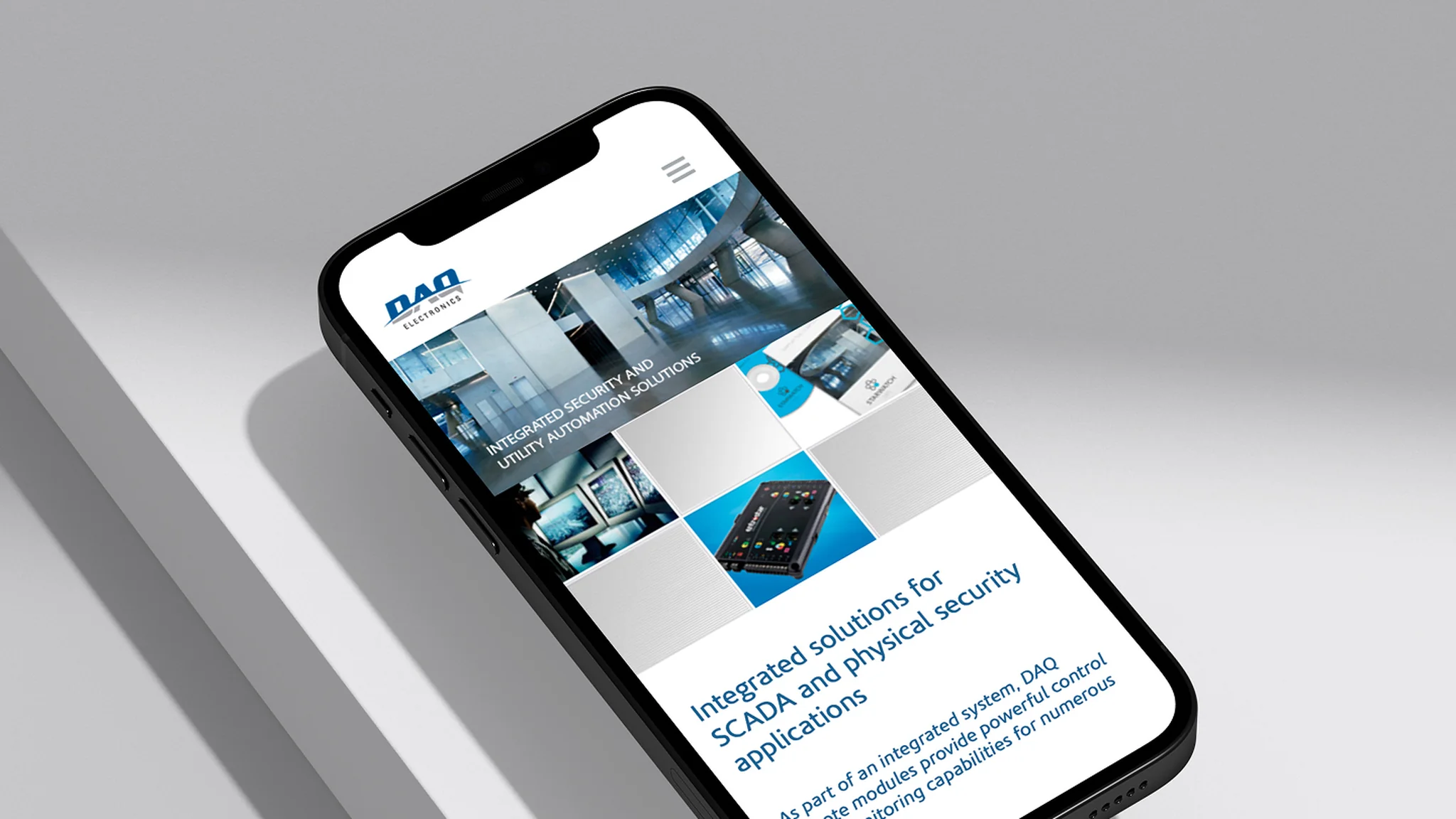
Modernization of hardware-integrated software for DAQ Electronics
Vention has partnered with DAQ Electronics for 19 years to modernize business-critical, hardware-integrated software. Facing undocumented firmware and legacy architecture, our team reverse-engineered the system, rearchitected the backend, and migrated functionality to a modern architecture while maintaining uninterrupted operations.
DAQ's VP of Product Development described Vention's impact as transformational in terms of quality, capability, and engineering expertise.
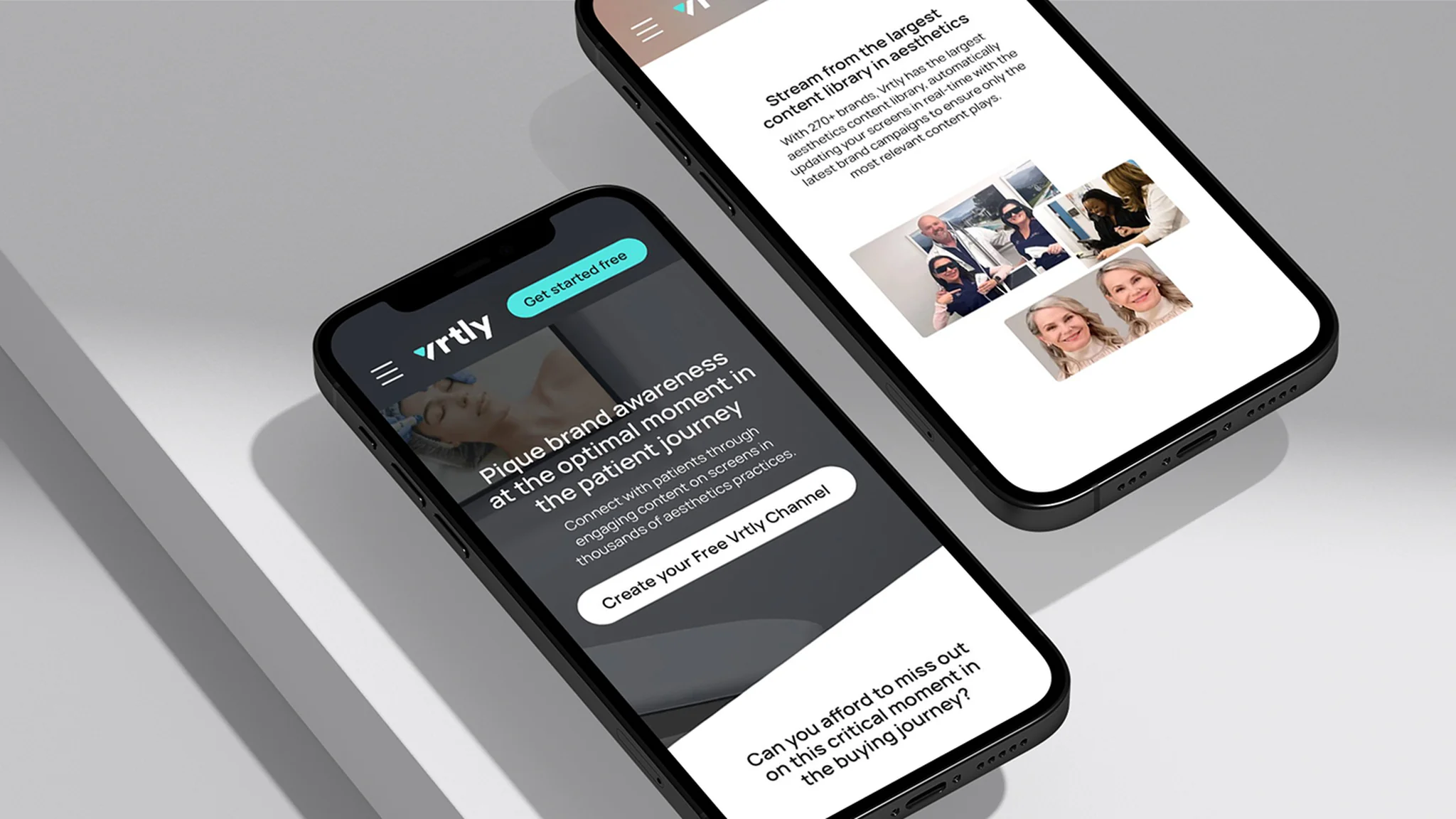
Recovery of Vrtly’s platform after a previous vendor failure
Vrtly engaged Vention after its previous engineering vendor could no longer support the growth of its advertising platform. Our team stabilized the platform, upgraded Java from 7 to 17, introduced CI/CD pipelines, and modernized the codebase to improve scalability, performance, and reliability. Within 12 months, system load dropped by 70%, platform capacity increased 8×, and Vrtly achieved 2.5× business growth.
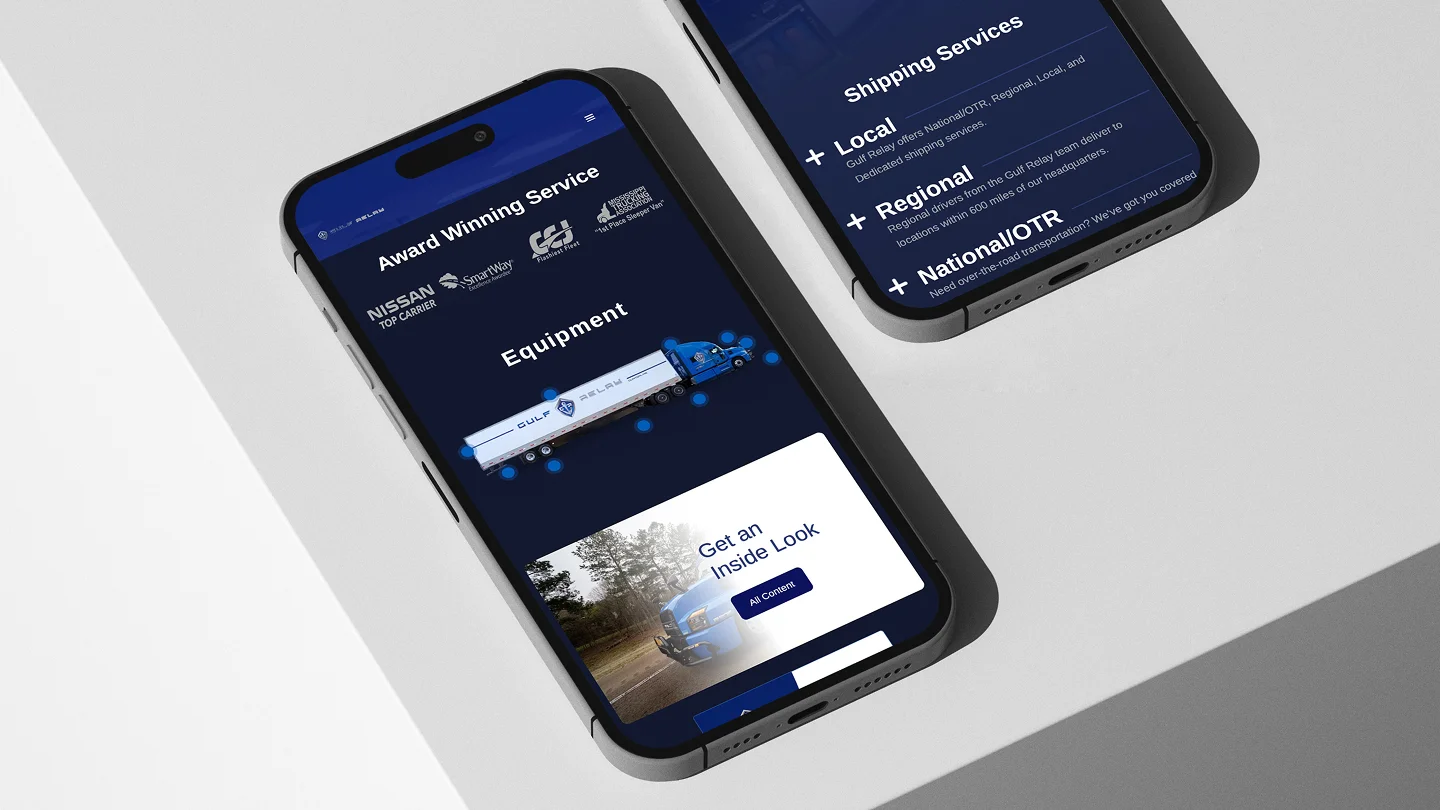
Transforming an internal tool into a commercial SaaS product for Gulf Relay
When a supply chain company, Gulf Relay, decided to turn its internal tool into a SaaS product, Vention’s experts performed the transformation in just 11 months. As Ken Apple, VP Product Engineering at Gulf Relay, said, “We brought the team in to form what at the time was a back-of-the-napkin idea into a real application. They needed to be willing to throw away their hard work and pivot with us. They roll up their sleeves and figure out how to get it done.”
Our cross-functional team developed AI-driven carrier selection, automated core logistics workflows, and a freight operations management interface. The platform was designed to accommodate evolving business requirements.
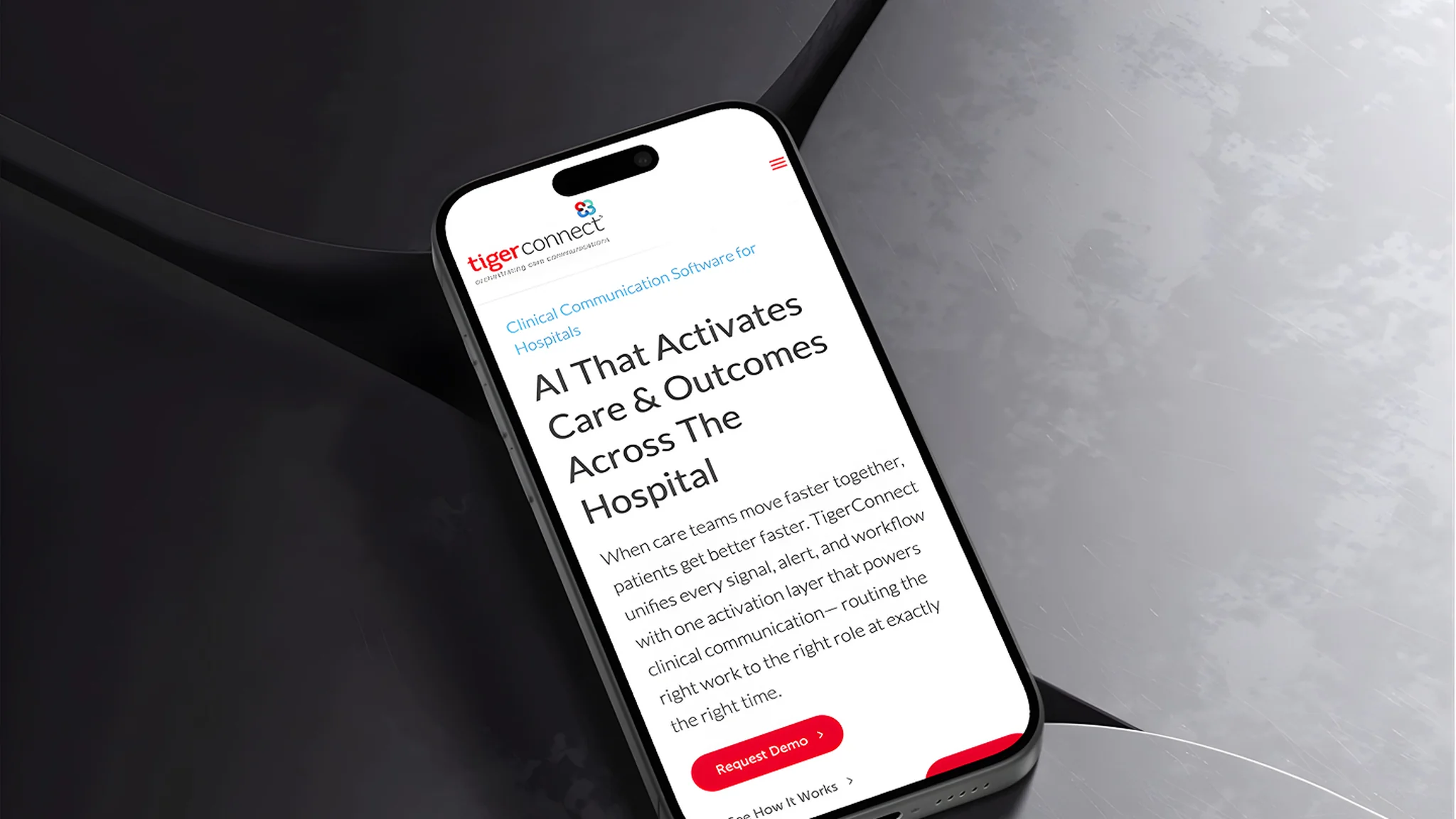
Legacy modernization for TigerText, a clinical messaging platform
While the internal engineering team could not divert attention from new, time-sensitive product initiatives, TigerText needed to modernize several legacy services. Rather than requiring extensive knowledge transfer, our engineers quickly understood undocumented systems and began contributing quickly. We reverse-engineered legacy components with minimal documentation, refactored applications using modern JavaScript, modernized the Twilio gateway microservice, and implemented new capabilities such as a file attachment service exposed through a RESTful API. As TigerText shared in its review: "The ability to reverse-engineer and figure things out blew me away".
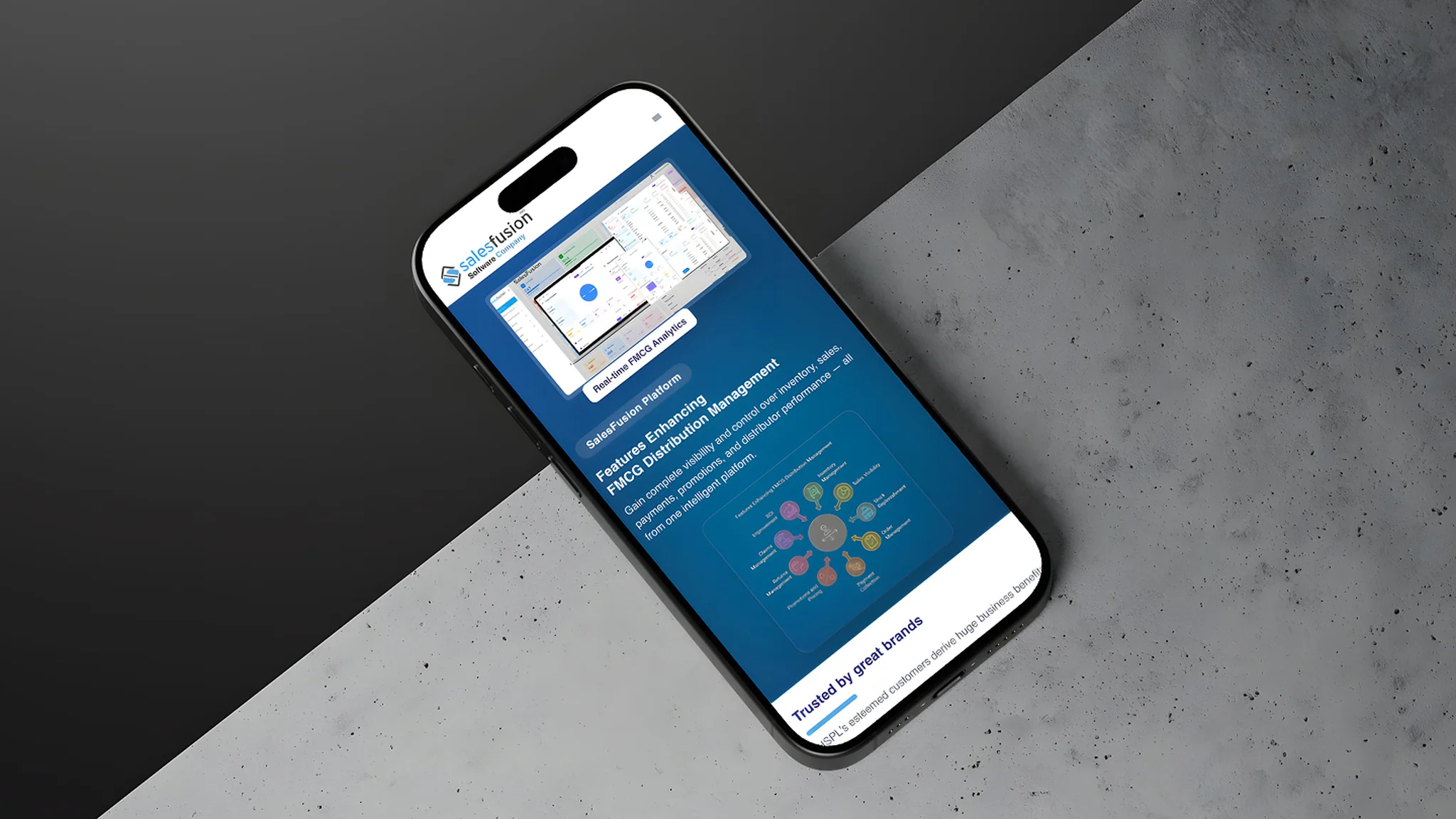
Phased migration of a 7-year-old marketing automation platform for Salesfusion
Vention joined the project after part of the marketing automation platform had already been rewritten, inheriting undocumented business logic that no internal engineer could fully explain. Our team modernized the remaining application while keeping both the legacy and modern environments running in parallel throughout the migration.
Approximately 90% of the platform was migrated to a modern technology stack, including Zoom and GTW integrations. We also rebuilt multiple dashboards and supported both the client's overall security audit and SOC 2 audit.
More modernization success stories
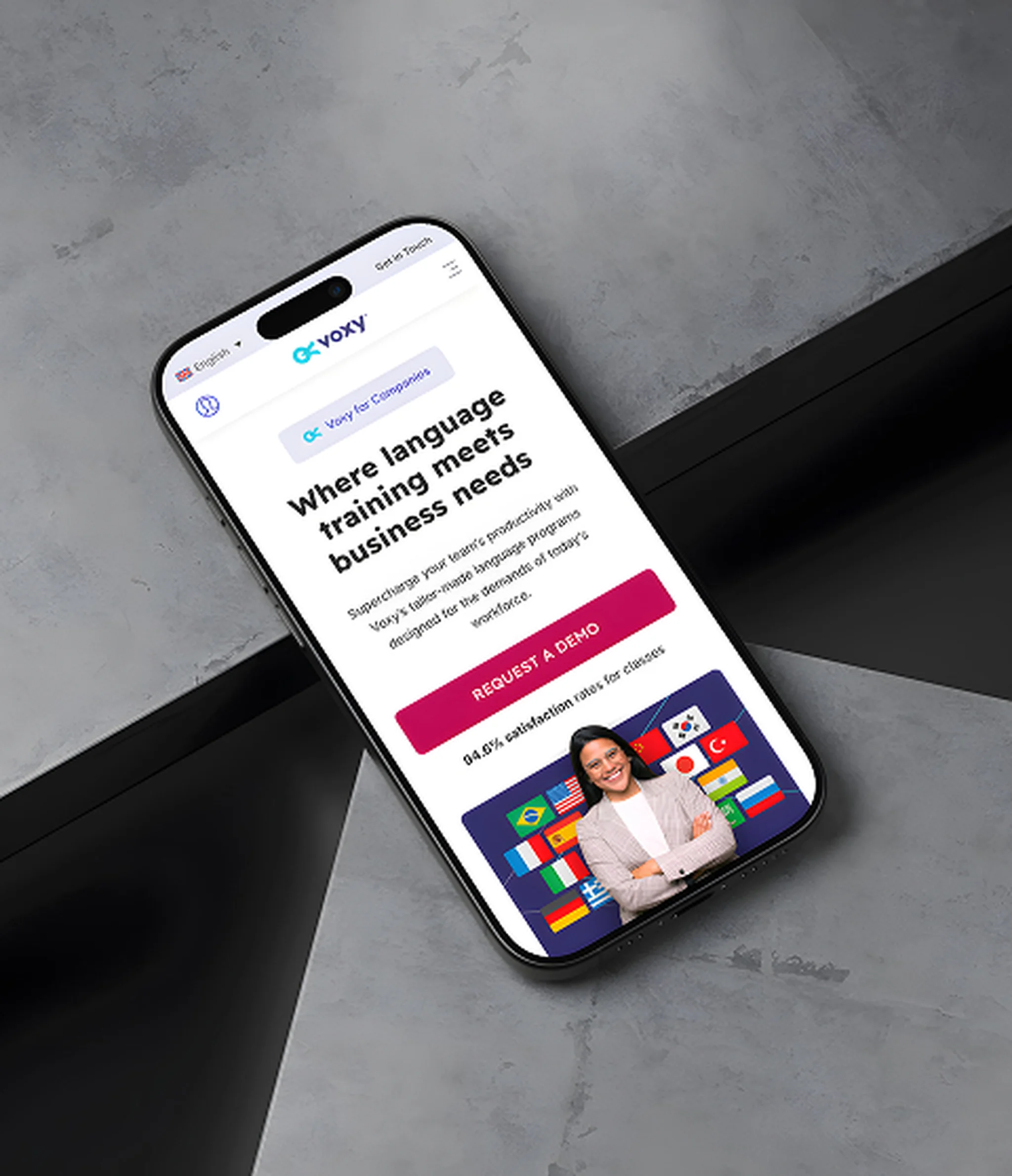
Zero-downtime transition for 4M global users of Voxy’s app
Voxy needed to upgrade its personalized language learning platform from Python 3.6 to 3.7 without disrupting millions of users. Vention rebuilt platform dependencies, modernized legacy code, and successfully migrated more than 300K lines of code while maintaining uninterrupted service. As Christopher Osborn, CTO at Voxy, noted: “Without this upgrade, we would not have been in compliance with security standards.”
Client testimonials

Roy Davies
VP Product Development at DAQ Electronics
"Adding developers with skill in the technologies we'd struggled for years to hire for. As a business, we were very limited in the scope of our products before Vention."
Joe Schooler
Chief Product Officer at Vrtly
"Before partnering with Vention, we worked with a vendor that provided early support but lacked the technical depth to scale the platform effectively."

Ken Apple
VP Product Engineering at Gulf Relay
"They roll up their sleeves and figure out how to get it done. They delivered on every single ambitious goal we threw at them."

Christopher Osborn
CTO at Voxy
"We handed off the upgrade of our application from a deprecated version of Python. Without this upgrade, we would not have been in compliance with security standards."
Geoffrey Teale
Head of Developer Experience at Upvest
Together with Vention employees we've built and are supporting 19 microservices. They've also shown an understanding of the product's impact."

Anonymous
TigerText
"They helped us refactor and modernize 4 of our projects. Vention freed up the rest of the team, allowing them to focus on our primary strategic project, which was time-sensitive.”
Delivered without disruption: Modernization results
Category | Metric | Client |
|---|---|---|
Long-term partnership with an unfailing quality standard | 19-year modernization engagement, including reverse engineering of undocumented firmware | DAQ Electronics |
Long-term partnership with an unfailing quality standard | 12-year modernization partnership for a mobile platform handling 20M daily inquiries | StoneX |
Long-term partnership with an unfailing quality standard | 9-year engineering partnership on enterprise insurtech platform | CoverWallet |
Recovery after a previous vendor failure | 70% load reduction and a 2.5x business growth in 12 months after replacing a previous vendor | Vrtly |
Quick product launch | Full transformation of an internal operational tool into a SaaS product in 11 months | Gulf Relay |
Phased rollout | 90% of a legacy application migrated, followed by SOC 2 audit support | Salesfusion |
Phased rollout | Controlled rollout from 1% to 100% with zero rollback | PureGym |
Compliance | £80M+ (~$100M+) of transaction volume across 19 microservices aligned with FATCA, MiFID, AMLD5, and KYC5 requirements | Upvest |
Operational scaling | Scaling from 40 to 1,500 pharmacy partners (10% of the UK market) within a 3-year modernization partnership | Healthera |
Business metrics impact | 50% incident reduction and 25% data cost reduction | Infogrid |
Modernization speed | 4 systems refactored in 5 months by a 2-person Modernization Strike Team | 4 systems refactored in 5 months by a 2-person Modernization Strike Team |
Our modernization approach
Audit
Before assembling the full team, Vention starts with 2-3 senior experts who run a 2-4 week audit to compare modernization options and define the project scope. For Juice Plus+, Vention completed a one-month audit in three times less time than the client expected. The audit not only shaped the modernization strategy but also led the company to transition from its previous vendor to Vention.
Reverse engineering
Vention engineers read the code, validate actual system behavior, document current logic, and identify hidden dependencies before proposing changes. Although optional, reverse engineering is particularly valuable for legacy systems with limited or no documentation, as clients such as DAQ Electronics and TigerText have experienced.
Phased rollout
To avoid the negative impact of modernization on users and the business, Vention opts for a Phased Production Migration rather than a big-bang approach. Legacy and new components run in parallel, with user traffic shifted incrementally in controlled stages. By monitoring each stage in real time, we can detect issues early, if any arise, and isolate them before they have a broader impact. PureGym followed this gradual migration approach, progressing through 1%, 5%, 10%, 25%, 50%, and 100% rollout milestones.
While modernization is underway, Vention supports both modern and legacy technology stacks. When clients face challenges finding expertise in older technologies, this capability helps maintain continuity and keep the transition on track. Examples include Java 7 for Vrtly, and PHP for Upvest and Curve.
If your systems are subject to compliance regulations, Vention incorporates the required security mechanisms into your modernization plan. That's what we did when our fintech client, Upvest, needed to align with FATCA, MiFID, AMLD5, and KYC5 requirements, and when the marketing automation provider, Salesfusion, required support for a SOC 2 audit.
The tech stack we use for app modernization
Layer | Technologies | Vention’s relevant experience |
|---|---|---|
Legacy source stacks | .NET Web Forms, AngularJS, Java 7, PHP, Delphi, COBOL, Oracle Forms, Visual Basic, SharePoint, stored-procedure SQL | Vrtly (Java 7), Upvest (PHP), Curve (PHP), MedAmerica (Visual Basic) |
Modern backend techs | Go, .NET Core, Java 17+, Node.js, Python 3, Ruby on Rails, Scala | Vrtly (Java 17), Upvest (Go), Salesfusion (Python 3) |
Frontend modernization | React, Angular 11+, Vue.js, Next.js, TypeScript | Salesfusion (Angular 11+), Infogrid (TypeScript migration) |
Mobile modernization | Flutter, React Native, Jetpack Compose, SwiftUI | StoneX |
Infrastructure | Kubernetes, Docker, Terraform, AWS, Azure, GCP | Upvest (GKE), PureGym (containerized rollout), Relief (AWS ECS) |
Event and data | Kafka, Debezium (CDC), RabbitMQ, Redis, PostgreSQL, MongoDB | Upvest (Kafka), Salesfusion (schema registry), Curve |
Observability | Datadog, Prometheus, Sentry, distributed tracing | Upvest (Datadog), PureGym (phased rollout validation) |
CI/CD | GitHub Actions, GitLab CI/CD, Jenkins, Argo CD | Per-service pipelines for independent deployment during migrations |
Frequently asked questions about modernization
Would Vention help us decide if our system needs refactoring, rewriting, or rearchitecting?
Yes. We start with a 2-4 week audit to identify the most appropriate modernization approach for your case. You receive a cost comparison outlining the trade-offs, risks, and our recommendations. Juice Plus+, one of our clients, completely reshaped its approach to modernization after the audit.
How do you modernize code when there's no documentation and original developers available?
Vention applies Legacy Code Archaeology, a reverse engineering methodology built on four principles: (1) read the code, not the specs; (2) establish the system's current behavior as the baseline; (3) interview whoever is available; and (4) suggest improvements rather than simply restore existing functionality. Legacy Code Archaeology was the starting point for our 19-year partnership with DAQ Electronics, during which we modernized undocumented software.
How does Vention modernize a live production system without downtime?
We use a Phased Production Migration approach, in which new and legacy systems run in parallel before cutover, with traffic gradually shifted to the new services. For PureGym, rollout milestones were 1%, 5%, 10%, 25%, 50%, and finally 100% of traffic. During the Salesfusion migration, both the new and legacy stacks ran in parallel.
Can you help us find developers for the legacy stack we need to maintain during migration?
Vention sources engineers across more than 15 legacy technologies, including .NET Web Forms, AngularJS, Java 7, PHP, Delphi, and COBOL. We're happy to support your legacy technology stack throughout the migration. When our client PhoneWagon needed a .NET–Clojure migration, it couldn't find Clojure engineers in the US, so it turned to Vention for the required expertise.
What compliance frameworks do you have experience with?
In the fintech domain, Vention has hands-on experience with FATCA, MiFID, AMLD5, KYC5, PCI DSS, and SOC 2, implemented through our work with Upvest and Relief. Our healthcare projects have required compliance with HIPAA, HITECH, HL7 v2/v3, and FHIR.
We also have experience with ISO 27001 and GDPR, which are frequently applied at the enterprise scale.
Do you just code, or do you own the architecture?
Vention’s solution architects design the target architecture, define service boundaries, select communication patterns, and plan the decomposition roadmap. The team leads the transformation strategy, not just the implementation against a fixed specification. "They're willing to throw away their hard work and pivot with us," noted Ken Apple, VP Product Engineering, Gulf Relay.
How long does a typical legacy modernization engagement run?
Every modernization engagement is tailored to each client's needs, so project timelines vary. One of Vention's fastest modernization projects was Vrtly. Completed in just 12 months, it marked the beginning of a two-year engineering partnership.
Our longest partnerships are DAQ Electronics (19 years), StoneX (12 years), and CoverWallet (9 years), where Vention also supported the scaling of a modernized platform.