


SaaS platform development
Vention is a custom software development company that builds SaaS products for companies looking to start from the ground up, scale delivery without slowing down, or modernize systems that no longer support growth.
Teams typically come to us when release cycles slow down, integrations get harder to manage, or existing systems begin to limit product decisions. We design and evolve systems that stay stable as they grow and keep delivery predictable over time.

Vention’s SaaS platform development scenarios
Scenario | Challenge you’re facing | Vention’s role | Vention’s proven delivery |
|---|---|---|---|
“Scale our SaaS engineering team” | You already have a SaaS product that generates revenue. However, your roadmap keeps expanding, and your team cannot keep up. Backlog items sit for months, while customers ask for more. | At Vention, you’ll find engineers who integrate into your team, operate within your existing sprints and tooling, understand your codebase, and contribute from the first iterations with predictable delivery. | During our partnership with Infogrid, Vention assembled a team of 18 engineers to implement sensors, analytical dashboards, and anti-COVID initiatives, supporting the company through its £12.9M (~$17M) Series A round. |
"Build our SaaS platform from scratch" | You have internal software that needs to be productized into a SaaS offering or a validated concept that longs for end-to-end implementation. | While building your SaaS platform, Vention designs architecture, manages cloud infrastructure, and sets up single- or multi-tenant systems. You get a team that owns the full stack, aligns delivery with your product goals, and builds a scalable foundation for growth beyond the initial release. | Vention helped Gulf Relay transform its internal tool into a SaaS platform. |
"Modernize our SaaS architecture" | Your platform was built 5-10 years ago and no longer supports current growth. A monolithic codebase, outdated frameworks, and manual deployments slow down every release. Feature delivery is taking longer than expected, while requirements for compliance, multi-tenancy, and performance are becoming more demanding. | Vention evolves the system without disrupting production. Our modernization activities include breaking down monolithic components, migrating to the cloud, reducing technical debt during active development, and introducing cloud- and architectural-level changes to support scalability. | Vention’s modernization effort (introducing a cloud-first approach, app re-architecture, and migration from Ruby on Rails to Golang) helped Integrate achieve 10x ROI. |
What do you get with SaaS development by Vention?
Scalable, production-ready SaaS architecture and infrastructure
- A single- or multi-tenant SaaS platform architecture that supports your growth model.
- Cloud infrastructure set up for reliability and cost control across AWS, Azure, or GCP, aligned with your workload patterns.
- Infrastructure-as-code powered by Terraform to enable consistent environments, faster provisioning, and controlled changes across staging and production.
- Docker-based containerization and Kubernetes orchestration that make workloads easier to manage at scale.
- CI/CD pipelines that automate testing and deployments, reduce release friction, and improve delivery predictability.
Vention implemented a similar solution for Turvo, where we delivered real-time shipment visibility and internationalization across global markets via the infrastructure that resides on AWS, Kubernetes, and Docker.
A SaaS product designed to evolve and extend over time
- A full-stack implementation (with React, Angular, Vue.js, Node.js, Python, .NET, Ruby on Rails, Go, and dozens of other frontend and backend technologies) that fits your current and future objectives.
- Data storage structured around your use cases, whether that requires relational consistency with PostgreSQL, flexible document models in MongoDB, fast in-memory access through Redis, or search and analytics capabilities powered by Elasticsearch.
- Delivery of core product features, including subscription billing and payment management with Stripe, user management with single sign-on and role-based access control, and internal tooling such as admin panels and analytics dashboards.
- User-facing flows like onboarding and account setup.
Vention’s collaboration with Gulf Relay resulted in transforming an internal app into a SaaS product with AI-driven carrier selection and automated core logistics workflows.
A modernized SaaS platform that supports growth
- A clear SaaS modernization roadmap based on the assessment of your current architecture and tech stack, risks, and business priorities.
- Gradual decomposition of monolithic systems into services (where such migration improves scalability, ownership, and release cycles).
- Migration from on-premises or legacy hosting to AWS, Azure, or GCP environments aligned with your performance, cost, and compliance needs.
- Database restructuring and optimization to handle higher loads, improve query performance, and support evolving data models.
- Security posture aligned with enterprise expectations, including SOC 2, HIPAA, or GDPR requirements.
Vention’s modernization effort for Integrate resulted in a 10x increase in ROI after our engineers introduced a cloud-first approach, re-architected the core app, and migrated from Ruby on Rails to Go.
Clear strategy for building or evolving your SaaS product
- A feasibility assessment that validates the technical approach, assesses risks, and required effort before development starts.
- Architecture and tech stack choices aligned with your SaaS product requirements, team capabilities, and long-term maintainability. With Vention, you’ll make informed decisions around foundational SaaS architecture choices, from Node.js vs. Java and Python vs. Go to monolithic vs. microservices architectures, PostgreSQL vs. MongoDB, and Kubernetes-based vs. simpler container deployment models.
- A product roadmap structured around incremental delivery, balancing speed to market with SaaS platform stability.
- MVP scope defined to deliver core value early while leaving room for extension.
- A rollout strategy that supports phased releases, user feedback, and controlled scaling.

What’s next for your SaaS platform?
Share your priorities, and we’ll define practical next steps to improve speed, stability, and scalability.
Our clients
How Vention moves SaaS products from idea to
ARR: Our SaaS case studies
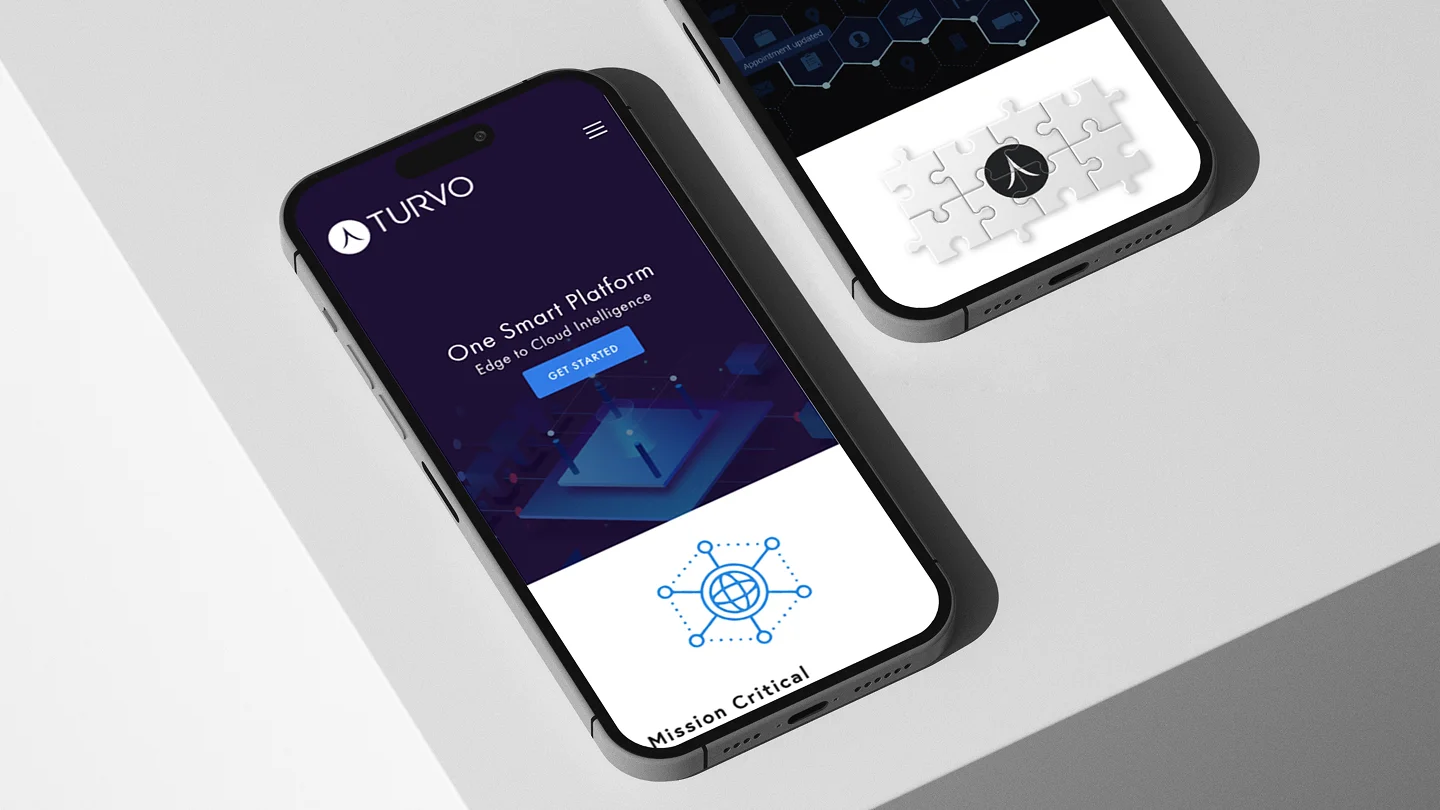
Enterprise-grade SaaS partnership at scale with Turvo
Vention partnered with Turvo to build and scale a B2B SaaS logistics platform serving freight brokers, 3PLs, shippers, and carriers.
Over 6 years of collaboration involving 50+ team members at peak, Vention developed a collaborative SaaS logistics platform and expanded its core capabilities. Among our contributions are real-time shipment visibility with live tracking, AI-driven productivity features such as smart notifications and contextual recommendations, and a redesigned billing system to improve financial operations.
The team also introduced a global data layer with internationalization support, while refactoring existing services to improve performance, reliability, and scalability.
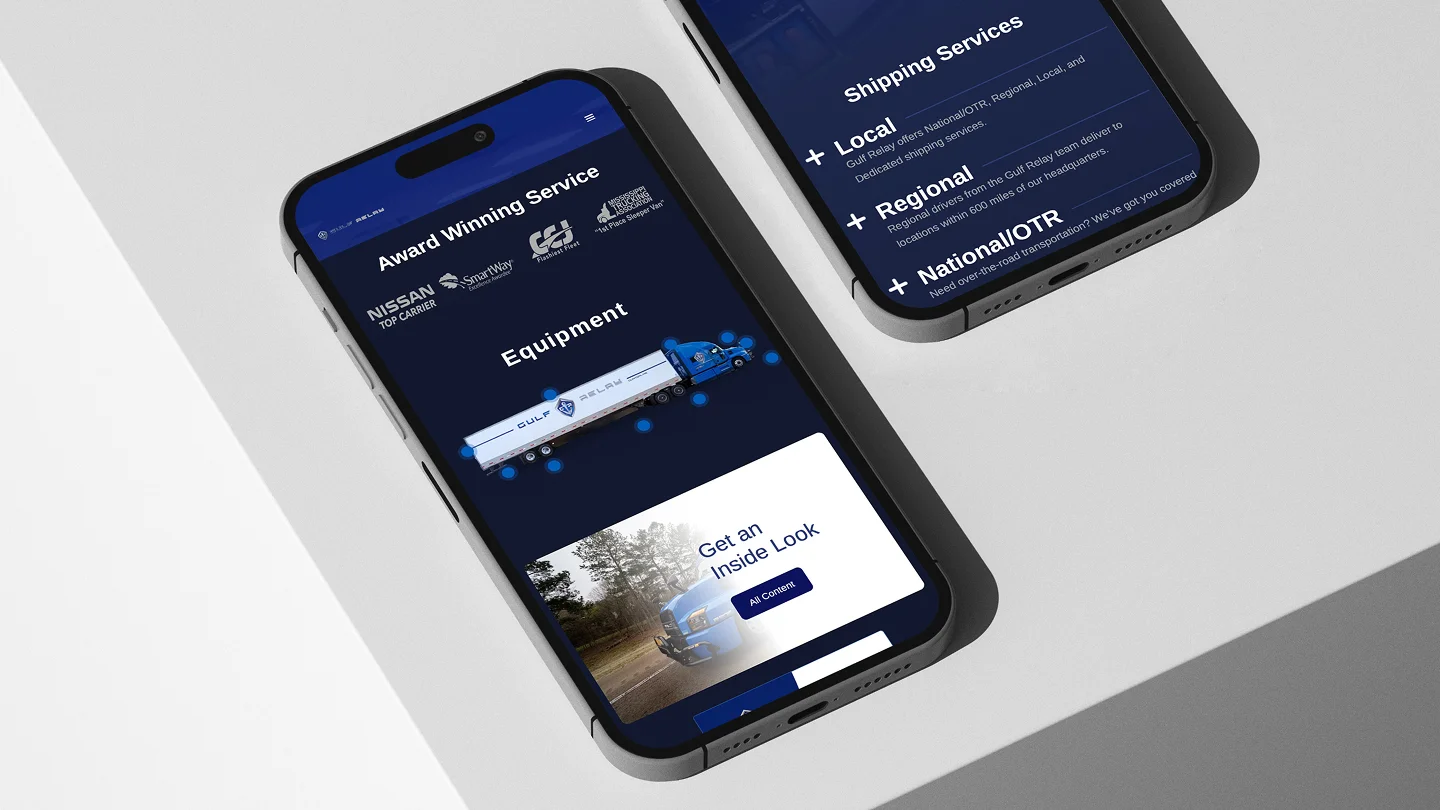
Building an enterprise SaaS platform from an internal logistics tool for Gulf Relay
Cooperation with Gulf Relay started with a back-of-a-napkin idea. The company wanted to turn its internal logistics solution into a SaaS platform for enterprise shippers and scale it into an enterprise product, while refining the product and business model along the way.
Vention assembled a cross-functional team that developed AI-driven carrier selection, automated core logistics workflows, and created an interface for managing freight operations. The system was built to support ongoing iteration as requirements evolved.
As a result, Gulf Relay’s internal tool was transformed into a production-ready SaaS application that earned a warm user welcome.
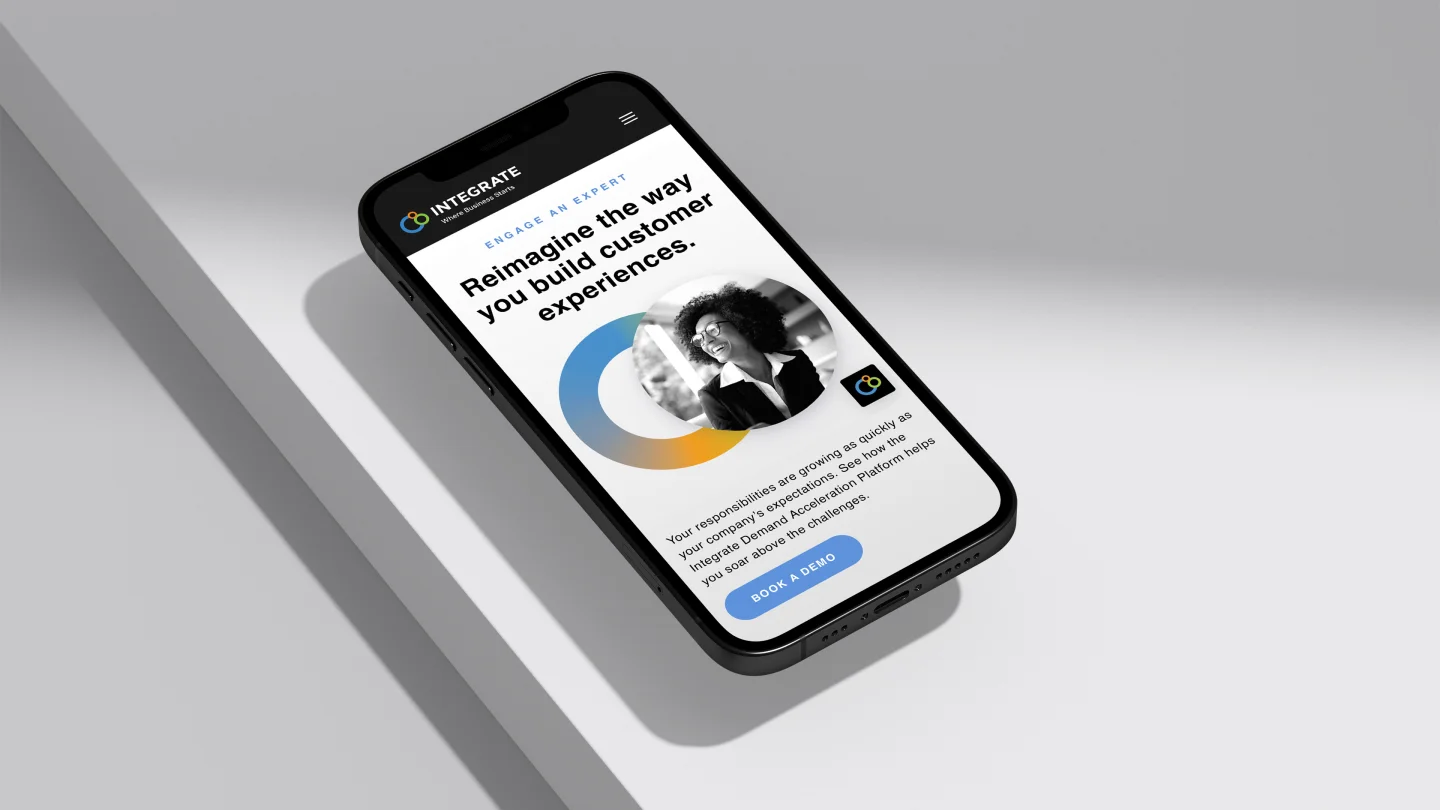
Modernizing Integrate’s core systems to improve ROI
Integrate was evolving its platform to support more advanced B2B use cases, but legacy services and architecture limited performance and flexibility across its products.
Vention engineers worked across two sub-brands. For Integrate, we modernized core services using a cloud-first approach. For ListenLoop, our team re-architected the application and migrated from Ruby on Rails to Golang. The move led to more efficient processing and easier scaling. The team also introduced a custom analytics module and dynamic content adjustment to support more personalized user experiences.
The modernized platform became a more scalable, responsive system, contributing to a 10x increase in ROI.
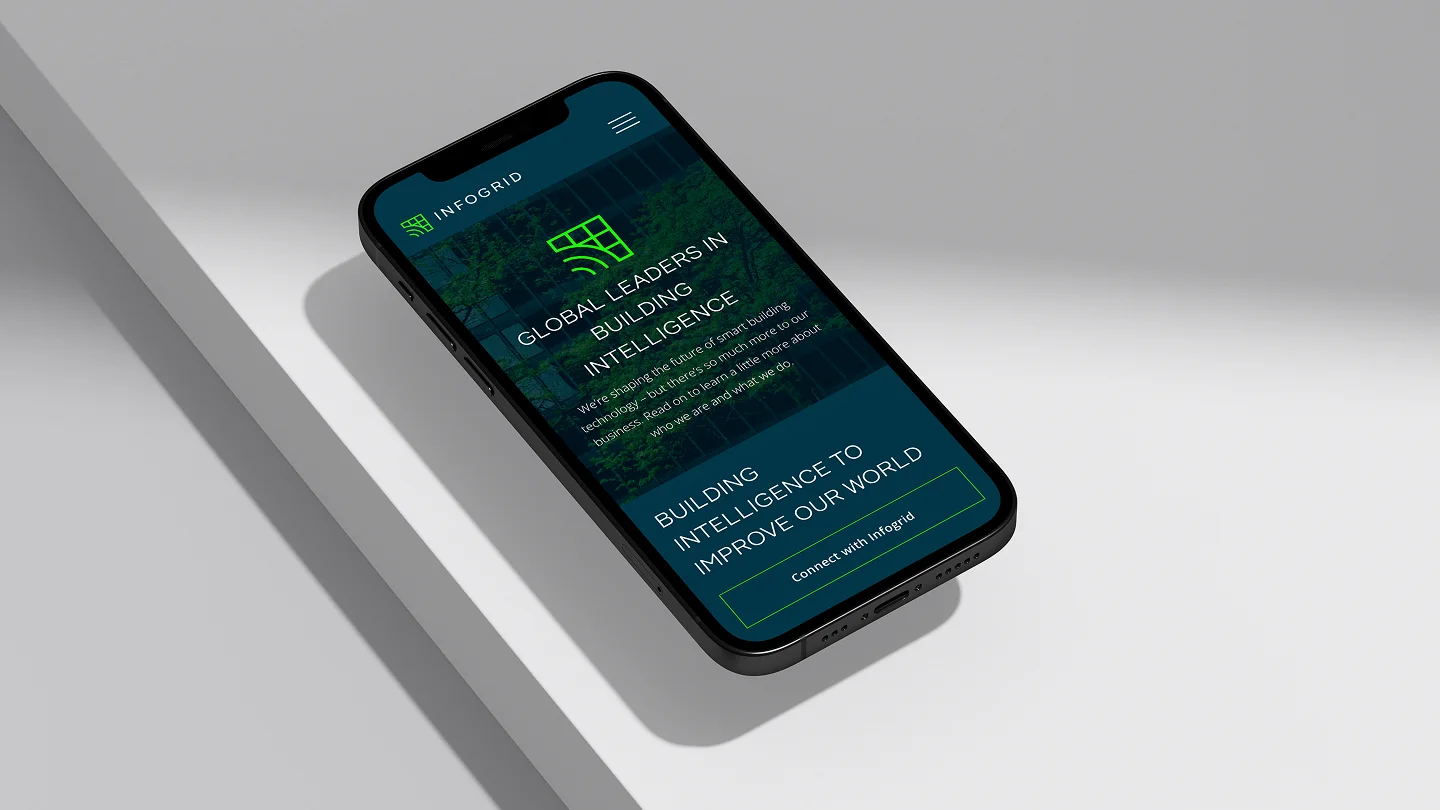
Scaling Infogrid’s SaaS product ahead of £12.9M (~$17M) Series A round
As Infogrid expanded its product and prepared to scale, the platform needed to handle bigger data volumes and support more advanced use cases across building management.
Vention engineers integrated into the team and focused on core product improvements. We refactored APIs and repositories to enhance system performance, as well as delivered new features (such as sensor-based floor plans, analytical dashboards, and configurable user alerts).
After the enhancements, the system could support more complex workloads and user scenarios, and system performance increased by 60%.
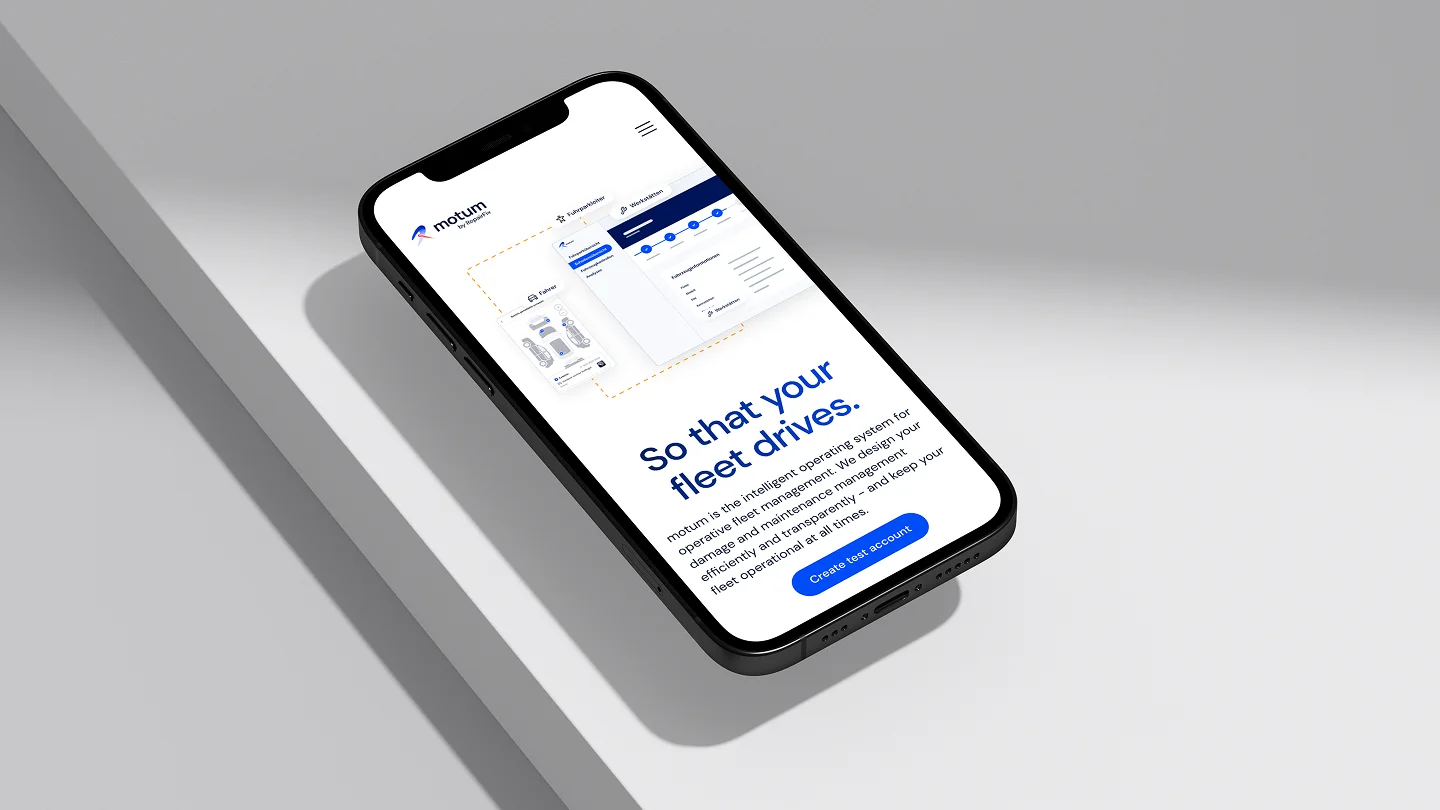
Securing the growth of motum’s SaaS platform to manage 8,000+ vehicles
Witnessing its SaaS platform gaining traction, motum partnered with Vention to scale. Having integrated into the team immediately, our engineers updated testing processes to support a growing feature set, enabling faster and more consistent releases.
The team delivered new capabilities, including image upload, automated insurance notifications, and integration with an AI-based car damage detection service. We also refined UI/UX to simplify workflows and improve usability.
The SaaS platform now supports 8,000+ vehicles and processes tens of thousands of claims, becoming a core system for business growth.
Hear from our expert
Enterprise teams expect progress without risking stability, regardless of where their SaaS platform is in its lifecycle. Whether building from scratch, scaling an existing SaaS product, or evolving legacy systems, the expectation is the same: consistent delivery that holds up in production.
At Vention, we establish the foundation for predictable delivery early on by setting up architecture, deployment pipelines, and quality controls. If systems are already in place, we enhance them without disrupting users or ongoing operations.”

Karen Pormento-Yu
Business Development Director at Vention
What clients say about building and scaling SaaS with Vention
Client feedback highlights the strong performance of Vention-built SaaS platforms in real-world conditions. Across 100+ reviews on Clutch, clients point to delivery quality, effective collaboration, and reliable execution.

Ken Apple
VP Product Engineering at Gulf Relay
Gulf Relay – Vention partnership: From internal tool to SaaS product
“We brought the team in to form what at the time was a back-of-the-napkin idea into a real application. From day 1, we knew we had picked the right partner. They delivered on every single ambitious goal we threw at them. We just launched our SaaS product to a lot of warm reception because we were able to keep trying again and again to get it right.”

Christopher Vroom
Founder at CollectorIQ, Inc.
CollectorIQ – Vention partnership: SaaS platform for fine art analytics, thousands of users, and zero downtime
“At a high level, Vention delivers outstanding quality on time and on budget, which is all we can hope for. They’ve been able to establish a team effort that’s very important to project continuity. That cohesion has been extremely helpful to our process.”
Elena Minich
Head of Content at Export Hunter UAB
Export Hunter – Vention partnership: AI-powered SaaS market research startup
“The Vention team has been a truly supportive and professional partner throughout our project. They’ve shown a remarkable level of personal engagement with our goals, demonstrating a genuine commitment to our success as a startup. Communication was always clear, and they kept us fully informed at every step, ensuring we were aligned throughout the process.”
Why Vention is a go-to SaaS platform development partner?
Years of experience in custom software development
SaaS projects successfully completed
Industries we cover with our SaaS expertise
ISO 27001-certified company with an established information security management system
End-to-end SaaS platform development services, from planning and deployment to ongoing support and optimization

Core principles behind Vention’s SaaS delivery model
Tailored team assembly process
Vention tailors team composition to your SaaS platform’s architecture, product stage, and delivery model. With 3,000+ experts on board, we provide full-stack engineers, DevOps specialists, and QA engineers with experience in multi-tenant systems, cloud environments, and CI/CD pipelines. Our expertise spans 30+ industries.
Within 24 hours, Vention shares candidate profiles aligned with your needs. For scaling and modernization scenarios, we prioritize engineers who can work within your existing codebase, tools, and sprint cycles.
Vention follows a rigorous pre-vetting process, selecting the strongest candidates from a broad talent pool. You interview shortlisted engineers to ensure alignment with your team and goals.
Smooth team collaboration
By the time the project starts, typically within two weeks or sooner, Vention engineers are onboarded with access to your codebase, infrastructure, and documentation. We align with your workflows, including sprint planning, CI/CD processes, and release cycles.
Engineers operate as part of your team, following established communication and reporting practices and contributing to active development from the start.
Flexible scaling
If project needs change, Vention adjusts the team accordingly. Scaling follows a structured process, typically with a 30-day notice period to align on roles and onboarding.
While delivering for DealCloud, Vention has successfully managed the cases of 24x project team growth.
Team continuity
Vention team members develop a strong understanding of your architecture, deployment pipelines, and core product areas such as billing, authentication, and tenant management.
As team composition evolves, Vention manages transitions through structured knowledge transfer to maintain delivery momentum. New engineers onboard into existing processes, tooling, and architecture with minimal ramp-up time.
A strong example is our seven-year collaboration with Integrate, where the team grew twice while continuing to evolve the technology landscape of the two sub-brands without disrupting workflows.
Embedded quality control
At Vention, quality control is embedded into day-to-day development rather than handled as a separate phase. Code changes go through structured pull request reviews with clear standards for readability, maintainability, and alignment with system design. We define test coverage based on risk and criticality, ensuring reliable validation of the core workflows.
Technologies we use for SaaS platform development
AI in SaaS delivery workflows
To improve consistency and deliver more with the same engineering team, Vention embeds AI into SaaS delivery workflows. In greenfield builds, AI helps establish consistent coding patterns and reduces release time. In migration scenarios, it supports refactoring, highlights risks in existing codebases, and stabilizes incremental transitions.
Vention engineers combine generative AI with spec-driven development. Service contracts, API definitions, and acceptance criteria become machine-readable inputs, allowing AI tools to generate boilerplate code, scaffold services, and expand test coverage in a consistent way. AI-assisted code reviews add an additional layer of validation alongside peer reviews, which is especially valuable in distributed SaaS systems where dependencies and failure modes are harder to trace manually.
Hear from our expert
“Security: #1 consideration in SaaS
Each tenant entrusts the platform with sensitive data, including financial records, customer information, and transactions. As SaaS platforms are provider-operated, security becomes the #1 consideration: how is tenant data protected from unauthorized access? The challenge becomes more complex in multi-tenant architectures.
Modern SaaS platforms address security through a combination of controls: role-based access, tenant isolation at the application and data layers, detailed audit logging, temporary and scoped access mechanisms, and robust encryption strategies.”

Team manager at Vention
FAQs about Vention’s capabilities in SaaS platform development
How quickly can Vention assemble a SaaS engineering team?
Vention typically shares candidate profiles within 24 hours. Interviews align with roles and responsibilities, and onboarding follows quickly. In most cases, development starts within two weeks.
Can we scale the team over time?
Yes. Share any changes in your needs, and we’ll adjust accordingly. A 30-day notice is usually enough to support even ambitious team growth. In SaaS engagements, including Turvo, we’ve scaled teams to 50+ engineers while maintaining consistent quality.
How do Vention’s engineers integrate with our existing sprints and tools?
Our engineers work within your existing tools, including Jira, Slack, GitHub, or custom setups. We also adopt your meetings, feedback loops, and reporting practices.
Can Vention turn our internal tool into a commercial SaaS product?
Our teams have hands-on experience turning internal tools into SaaS products. The process starts with assessing the current state and defining a step-by-step transformation plan. For Gulf Relay, Vention helped transform an internal logistics tool into a production-ready SaaS platform with AI-driven carrier selection and automated freight operations.
Can Vention modernize our SaaS platform without breaking production?
Vention follows a phased modernization approach, where incremental changes reduce risk to ongoing operations. This is how we helped Integrate modernize its platform architecture and move to the cloud infrastructure to support the processing of 8M+ lead records.
What legacy stacks have you worked with?
We work with .NET, Ruby on Rails, Microsoft SQL, and PHP to name a few. For Integrate, Vention migrated the platform from Ruby on Rails to Go, contributing to a 10x increase in ROI.
What happens to code ownership if we end the engagement?
You retain full ownership of all intellectual property. Vention ensures a structured handover with documentation and knowledge transfer, so your team can continue development without disruption.

What’s your objective: building, scaling, or modernizing your SaaS platform?
Share a few details about your current setup, goals, and constraints, and we’ll follow up with a practical next step.