


Software project rescue services
When your software project is delayed because of missed deadlines, unstable code, or a previous vendor that couldn't deliver, Vention helps you regain control with software project rescue services. Our engineers assess what's worth preserving, identify what needs to change, take over the codebase, and stabilize delivery so you can get your roadmap back on track and start shipping high-quality software again, fast.

Vention is the engineering partner behind industry leaders
When to bring in Vention’s software project rescue team
Scenario | What you experience | What Vention does | Vention’s proven experience |
|---|---|---|---|
Previous vendor failed to deliver | Your product is live, but bugs keep piling up, technical debt is growing, and delivery has slowed to a crawl. Your development partner isn't meeting expectations, and your roadmap keeps slipping. | Vention assesses what's worth preserving, identifies what needs to change, takes over the codebase, and stabilizes delivery so your roadmap gets back on track. | After Kafene's co-founder replaced an underperforming development partner with Vention, a team of seven engineers delivered what had previously required 14, while improving engineering efficiency by 15-20%. |
Inherited codebase with little or no documentation | Following a merger, acquisition, vendor transition, or the departure of key engineers, you've inherited a codebase with little or no documentation. Your team can't safely maintain, extend, or troubleshoot the system because the business logic exists only in the code. | Vention reverse-engineers undocumented systems, stabilizes them, and rebuilds, shipping clean and well-documented code. | Our 19-year partnership with DAQ Electronics began by reverse-engineering undocumented firmware, reconstructing critical system knowledge before evolving the platform over the years. |
Some project recovery engagements reveal issues that go beyond stabilization. When technical debt is too extensive or the architecture no longer supports the business, the next step is a structured modernization effort. Learn how we approach undocumented codebase recovery, refactor-versus-rebuild decisions, and phased production migration on our legacy software modernization page.
How we help you regain control of troubled software projects
Assess the project
Before recommending a rescue plan, our engineers assess the codebase, architecture, infrastructure, and delivery process to determine what can be preserved, what should be improved, and what needs to be rebuilt.
Our long-term partnership with guide:human started with a code assessment. After a disappointing experience with a previous development agency, founder Chris Yamamoto initially planned to split development between two vendors to reduce risk. Vention earned his trust and became guide:human's sole development partner.
Reverse-engineer the system
When original developers leave behind undocumented systems, Vention reverse-engineers the architecture, reconstructs critical business logic, maps dependencies, and restores the knowledge needed to maintain and evolve the software.
In its review of Vention's work on a medical messaging system, TigerText praised our ability to quickly understand and refactor a complex legacy codebase, while our work uncovering the inner workings of DAQ Electronics' firmware became the foundation of a 19-year partnership.
Stabilize the codebase
We stop the bleeding by resolving critical bugs, improving performance, reducing technical debt, and strengthening security, so your team can move from firefighting back to delivery.
For example, when CGCircuit's platform was compromised during development, Vention identified and eliminated the vulnerabilities. The platform has experienced no security incidents since.
Modernize where it matters
Once the immediate risks are under control, we address deeper architectural issues that cannot be solved with incremental fixes. For projects that require more than stabilization, recovery naturally evolves into a structured modernization effort.
Case in point: After taking over Vrtly's platform following a vendor failure, Vention transformed the application into a modern architecture that delivered 8x scalability, 70% lower infrastructure load, and 2.5x business growth.
Scale the team for recovery
Our engineers kick off within 14 days or faster, adopting your existing workflows and tools (like Jira and Slack). When recovery requires additional engineering capacity, we quickly expand the team and ensure knowledge transfer.
Kafene's recovery engagement began with two Vention engineers taking over from a previous development partner. As the platform stabilized and delivery accelerated, the team grew to seven engineers.
Why Vention for software project rescue
Unbiased assessment before commitment
We don't commit to a rescue plan before we understand the project. Our assessment typically covers the codebase, software architecture, infrastructure, and delivery process. We define what can be preserved through stabilization and where modernization or a rebuild is a more practical option.
For example, as part of our cooperation with guide:human, we scrutinized the codebase and shared our suggestions in line with the project requirements.
Engineers who can assess and execute
Project rescue requires more than strategic recommendations. With 3,000+ engineers across software engineering, cloud, DevOps, QA, security, and data, Vention can move directly from assessment to stabilization without handing the project to another team.
Before engaging Vention, TigerText's team was concerned about knowledge transfer and delivery disruption during the vendor transition. Vention's engineers took over with minimal briefing, quickly reverse-engineered the system, and kept delivery moving.
Every rescue becomes a partnership
As stability returns, many clients continue working with us to modernize, scale, and evolve their products. Our rescue engagements often become long-term partnerships, including 3+ years with Kafene, 4.5+ years with Thirty Madison, and 19+ years with DAQ Electronics.
Named clients. Real project outcomes
Every project rescue claim on this page is backed by a named client and real business results. Our case studies show not only what went wrong but also how Vention restored delivery and what changed afterward. For example, Vrtly achieved 8x platform scalability and 2.5x business growth, and Thirty Madison successfully navigated a failed vendor transition and continued its journey toward unicorn status.
Case studies
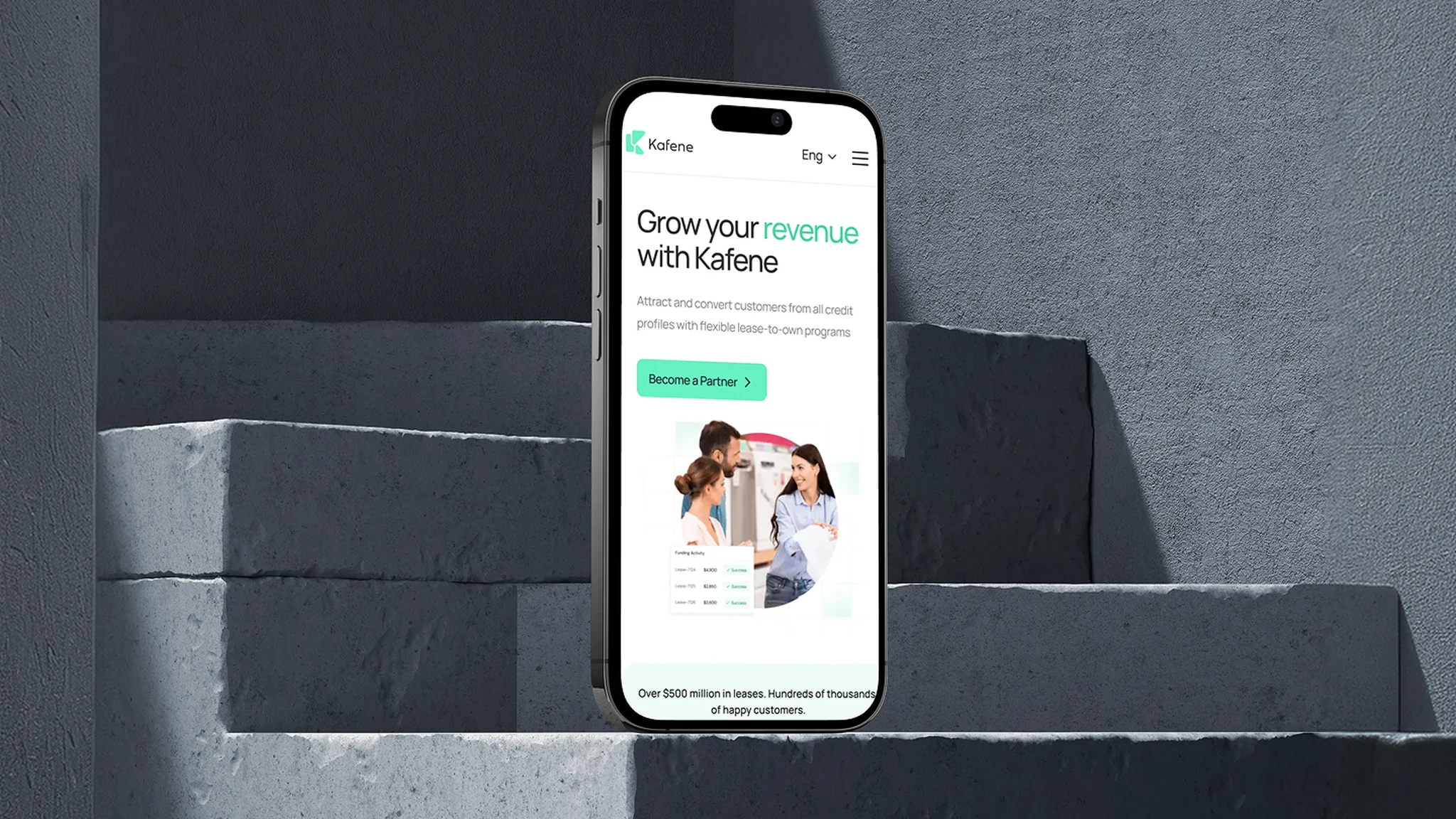
Kafene: Recovering a stalled fintech platform
When Kafene's previous engineering partner fell short on quality and delivery, Kafene wanted to move away from constant refactoring and bug fixing and restore a predictable delivery cadence.
Vention took over the project, modernized the platform with a cloud-native AWS architecture, automated CI/CD pipelines, strengthened security controls, and introduced AI-assisted development to eliminate repetitive engineering work and accelerate code reviews. Now, seven engineers handle work previously managed by 14.
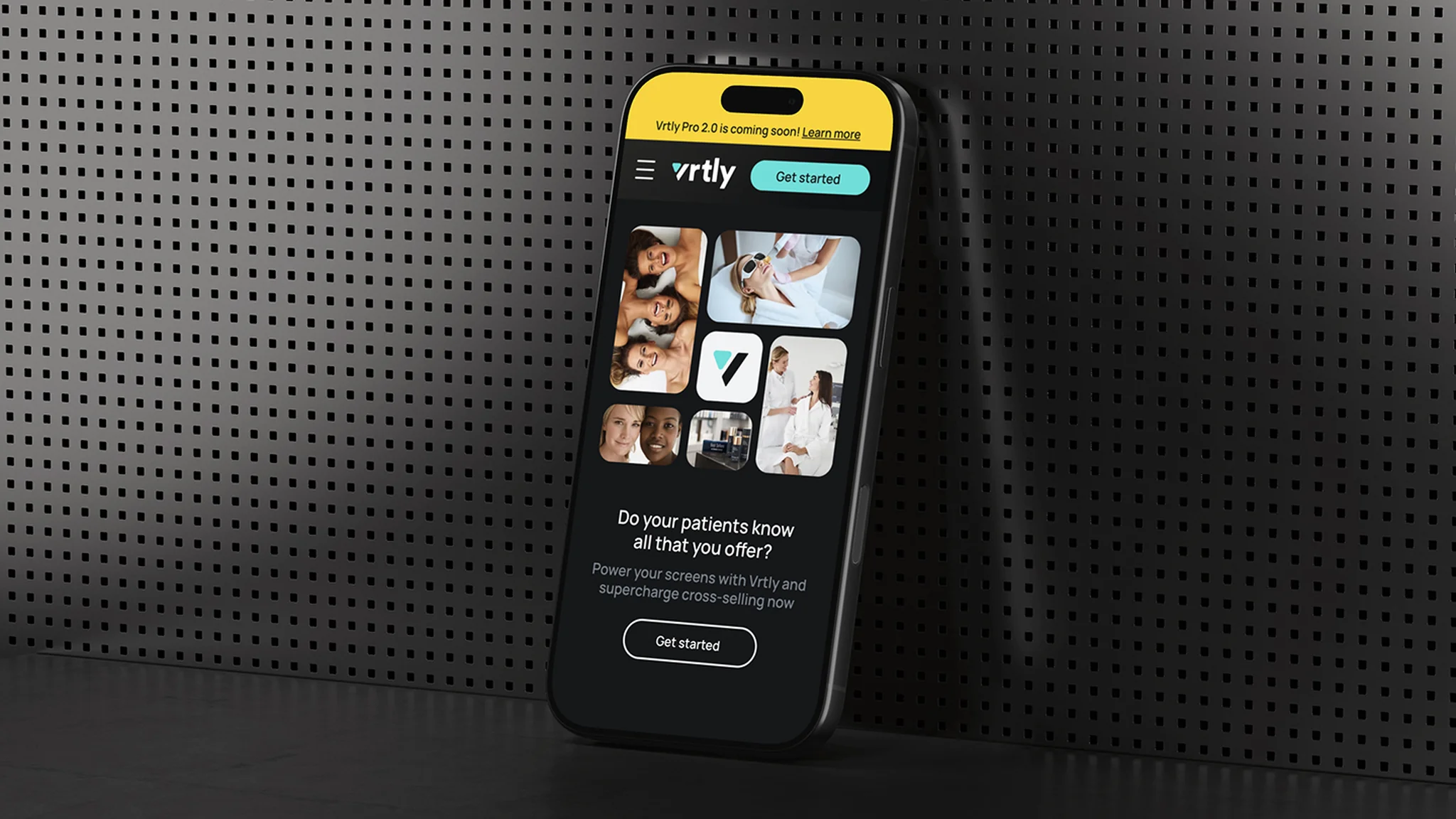
Vrtly: From platform instability to business growth
Vrtly's advertising platform had outgrown its original implementation. The previous vendor lacked the technical expertise to support the company's growth, while issues with impression tracking, timestamps, and real-time analytics undermined the platform’s reliability. As client confidence declined, payments were put on hold.
Vention took over the project, stabilized the platform, modernized the technology stack from Java 7 to Java 17, and implemented CI/CD pipelines. We also rebuilt key capabilities, including impressions-based pricing, automated playlist generation, and integrations with Fire TV, WebOS, and Roku.
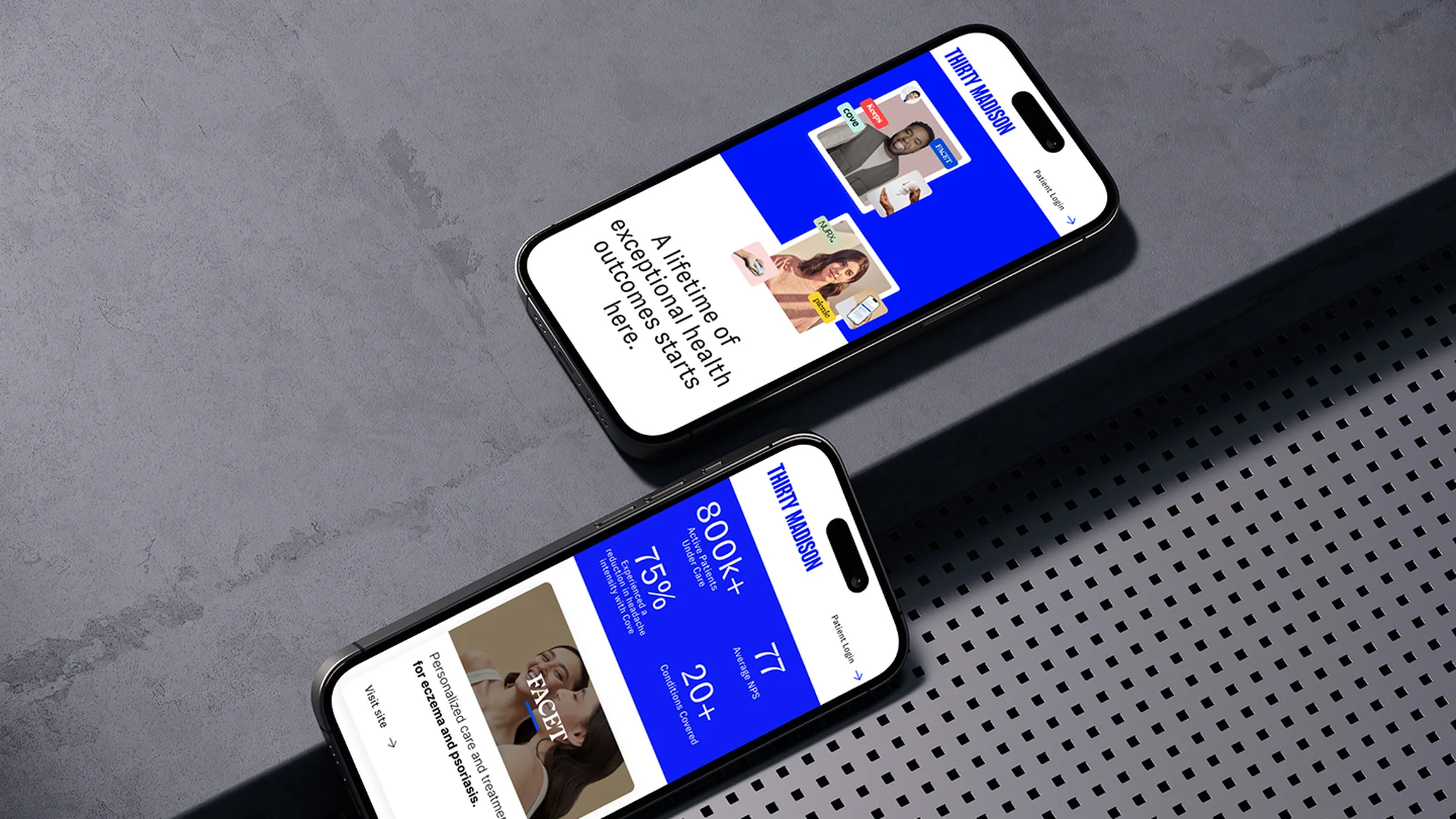
Thirty Madison
Following an unsuccessful engagement with a previous vendor, Thirty Madison turned to Vention through a client referral. Our engineers stabilized the project, accelerated development of the company's telehealth platform, and built a scalable engineering foundation.
Over a 4.5-year partnership, Vention supported Thirty Madison from its early growth stage to unicorn status, helping the company expand its portfolio of digital healthcare services.
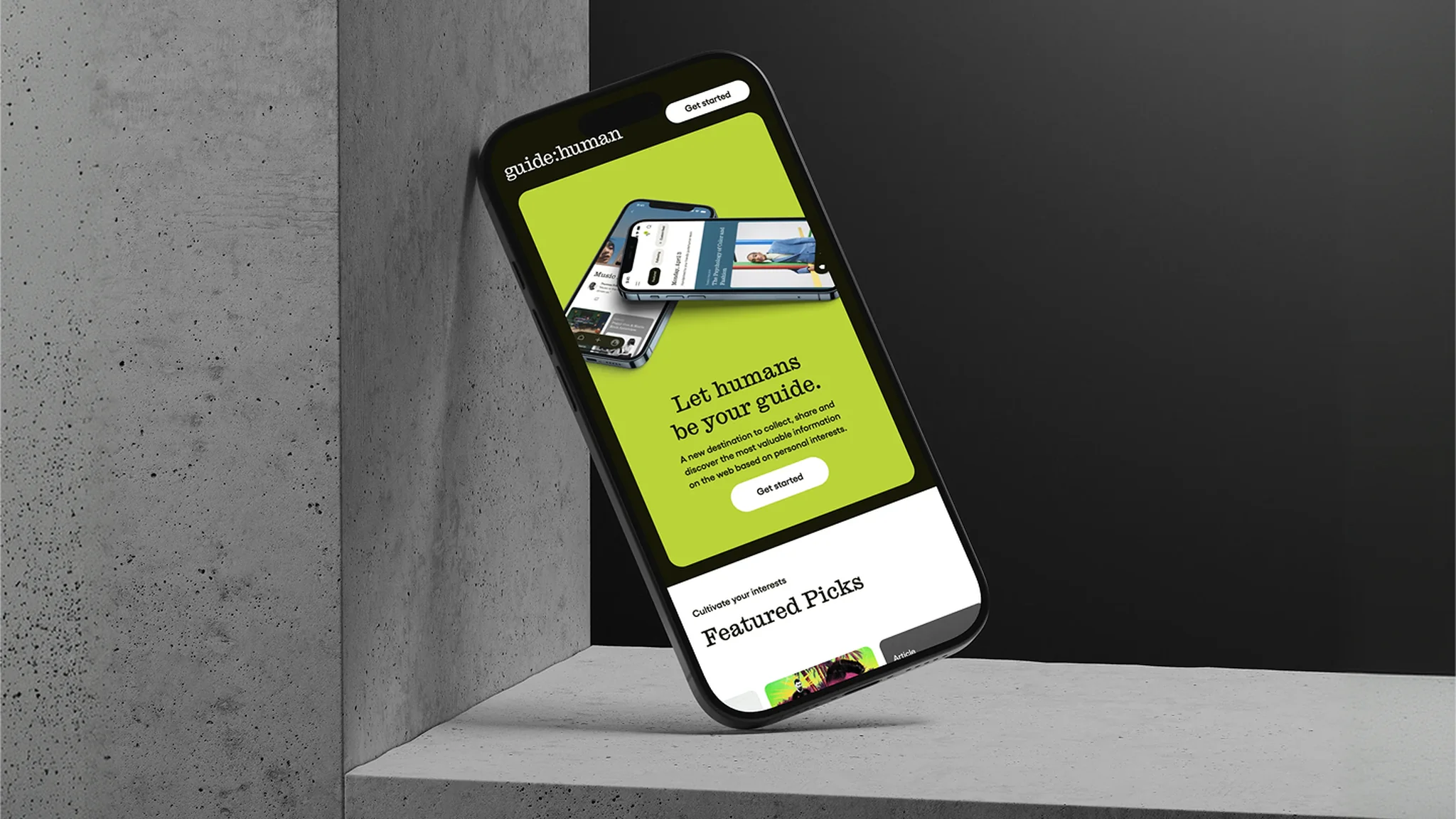
guide:human
After disappointing experiences with freelancers and development agencies, guide:human’s founder Chris Yamamoto planned to work with two development partners to reduce risk. Over time, Vention earned his trust and became guide:human's sole development partner.
DAQ Electronics
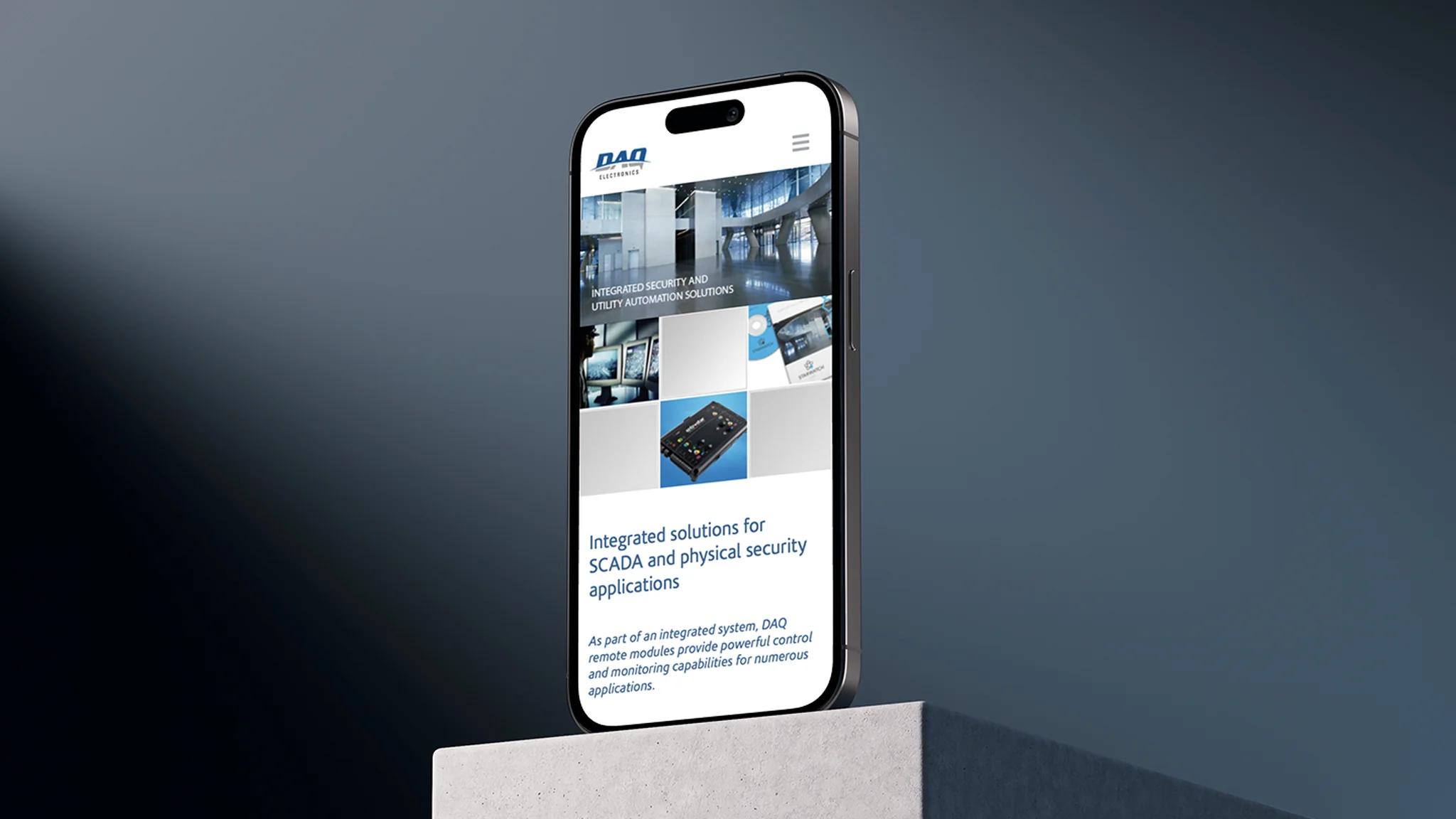
Our partnership with DAQ Electronics began 19 years ago with reverse-engineering undocumented firmware. Since then, we've helped deliver dozens of award-winning projects.
Dialogue
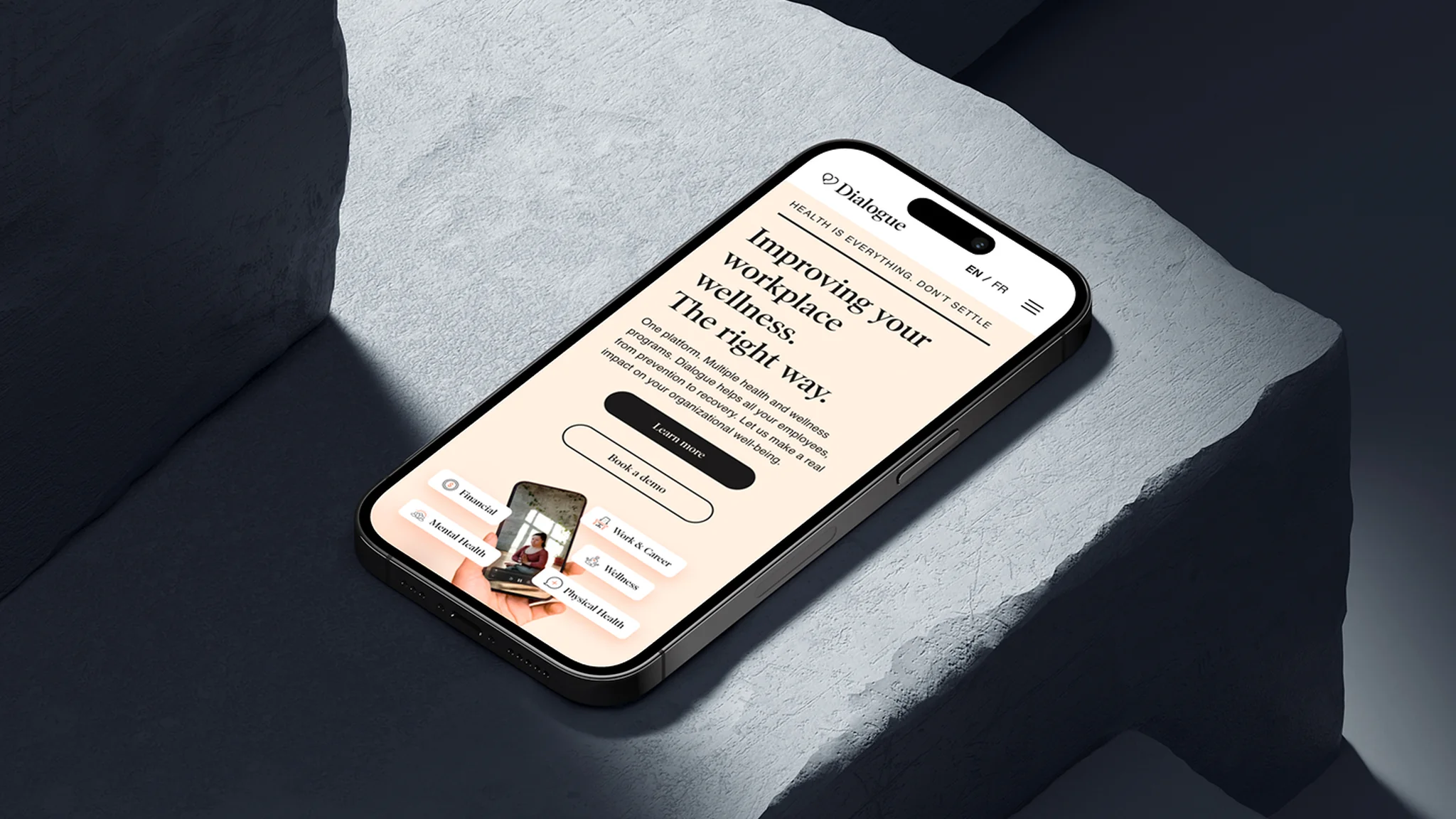
A telemedicine startup, Dialogue, approached Vention after several unproductive engagements with contractors. We partnered from Series A through $100M IPO, delivering an AWS environment, a virtual clinic, automated patient management, preliminary screening, and assistance in preparing the platform for SOC 2 certification.
Client testimonials

James Schuler
Co-Founder of Kafene
"I made the difficult choice to end our previous partnership and transition to Vention. In hindsight, that was the best decision I ever made. Almost all of our code is now industry-leading."
Joe Schooler
Chief Product Officer at Vrtly
"Vention helped us transform our technology from the ground up. Their expertise and execution enabled Vrtly to grow to new heights."

Chris Yamamoto
Founder of guide:human
"After a bad experience with a previous development agency, I didn't trust other companies. Vention has changed my mind and earned my trust."
Roy Davies
VP of Product Development at DAQ Electronics
"The impact of working with Vention is transformational with respect to quality, capability, and speed of development."
Employee
"The ability to reverse-engineer and figure things out blew me away. I could basically spell out what the components and objective were, and within a day or two, they would have a good start."
Results of our project recovery engagements
Client | Takeover context | Recovery outcome |
|---|---|---|
Kafene | The previous vendor failed to meet quality and delivery expectations | Seven engineers handle work previously managed by 14, with engineering efficiency increased by 15-20% |
Vrtly | Clients paused payments after an underperforming vendor compromised platform stability | 8x greater scalability, 70% lower platform load, and 2.5x business growth |
Thirty Madison | Failed vendor handoff | Long-term engineering partner through the company's growth to the unicorn status |
DAQ Electronics | Zero software documentation | 19-year partnership supporting dozens of award-winning projects |
Dialogue | Platform performance bottlenecks during rapid growth | Latency reduced from 60 seconds to 30 milliseconds |
TigerText | Legacy code with limited knowledge transfer | Reverse-engineered and refactored legacy code across four projects with minimal onboarding |

Our technology expertise for software project rescue
Layer | Technologies and project context | Rescue capabilities |
|---|---|---|
Backend | Python and Node.js (Kafene), Ruby on Rails (Thirty Madison), .NET (DAQ Electronics), Java (Vrtly) | Stabilize inherited backend services, modernize legacy applications, resolve technical debt, and restore delivery |
Frontend | React (Kafene), React.js (guide:human), TypeScript (Thirty Madison), Angular (Dialogue) | Recover web applications, modernize legacy frontends, resolve production issues, and improve maintainability |
Mobile | iOS (guide:human), Kotlin (Dialogue), React Native (Dialogue) | Take over existing mobile apps, stabilize releases, and continue feature development with minimal disruption |
Cloud and DevOps | Amazon EKS, Amazon Aurora, Amazon S3, AWS Lambda (Vrtly, Kafene, and Dialogue); Terraform, Docker (Dialogue) | Rebuild deployment pipelines, stabilize cloud infrastructure, automate releases, and improve platform reliability |
Data | PostgreSQL (Thirty Madison), Snowflake (Kafene), MongoDB (Alight) | Restore data integrity, optimize database performance, modernize data platforms, and support scalable workloads |
AI | Cursor IDE, CodeRabbit (Kafene) | Accelerate recovery through AI-assisted development, automate repetitive engineering tasks, and improve code review efficiency |
Check our related capabilities
What clients frequently ask before starting a rescue engagement
How long does software project rescue take?
The initial assessment typically takes 1-2 weeks. During that time, we evaluate the codebase, architecture, infrastructure, and delivery process to define the recovery plan.
The critical first milestone (stopping the bleeding and restoring predictable delivery) typically happens within the first 4-8 weeks. Though recovery timelines vary by project, while CGCircuit's security incident was resolved within weeks, Vrtly's platform was fully stabilized within 12 months.
How do you assess whether a failing project is worth rescuing?
We assess the codebase, architecture, dependencies, infrastructure, and delivery process to determine what can be preserved, what should be modernized, and what needs rebuilding. During Kafene's assessment, for example, we uncovered systemic technical debt and recommended an architectural shift that aligned 96% of the codebase with established engineering standards.
Can a new vendor work with our existing codebase, or will we need to start over?
We recommend a full rebuild only when the technical debt is structurally unsalvageable, and we will tell you that upfront. In most cases, we work with the existing codebase. For example, when Vention took over guide:human's code from a previous agency, the team evaluated the existing codebase and made targeted improvements. For DAQ Electronics, Vention reverse-engineered firmware with no documentation and has built upon that codebase for 19 years.
How do you handle the transition from our previous vendor?
We begin with knowledge transfer, access to source code and infrastructure, and a technical assessment. From there, we establish priorities, stabilize the highest-risk areas, and integrate with your existing delivery process.
TigerText highlighted one of the biggest challenges of vendor transitions: becoming productive with limited documentation. As the client put it, Vention "took on tasks with very little description" and "pretty much read my mind."
What if we need to scale the rescue team quickly?
Rescue engagements often begin with a small senior team during assessment and stabilization, then scale as delivery accelerates. Thirty Madison's team expanded to 12 backend and DevOps engineers, while Kafene's engagement grew from two to seven engineers as the platform evolved.
Who owns the IP and code after the rescue?
Our clients own all intellectual property and code. Our role is to help you regain control of your software, not create dependencies. When the crisis is over, your team can continue evolving the software with us or independently.
Which industries has Vention supported with software project rescue?
Vention has delivered software project rescue engagements across multiple industries, including:
- Fintech (Kafene, a lease-to-own financing platform)
- Healthcare (TigerText, a clinical messaging system; Thirty Madison, a virtual-first platform for chronic condition treatment)
- Adtech (Vrtly, an advertising platform)
- Security (DAQ Electronics’ access control systems)
- Social media (guide:human)

Project rescue isn't about applying the same playbook every time.
It's about understanding your software, your constraints, and your priorities before taking action. That's where we start.