


Bad AI is expensive AI. Faster chaos isn’t velocity.
Most engineering organizations already use AI tools. Very few have a system that makes AI reliable at scale. Vention’s AI SDLC Transformation embeds AI directly into planning, development, review, and release, helping teams move faster while improving consistency and software quality.
We identify the highest-impact opportunities, remove friction slowing adoption, and turn AI investments into compounding delivery gains across the SDLC.

The cost of getting it wrong
Poorly implemented AI doesn’t just underperform. It actively destroys value.
Bloated context windows drown models in noise. Vague prompts produce output that engineers have to rewrite from scratch. Unvalidated agent output pushes hallucinations and defects straight into production, where fixes can cost up to 10 times as much to resolve.
At enterprise scale, weak AI architecture compounds quickly. Companies succeeding with AI are not running the most agents. They’re running the tightest systems, where quality, governance, and unit economics remain firmly under control.
Vention has seen both sides firsthand. We’ve inherited codebases where AI was layered onto unstable foundations, and we’ve built AI-native systems that carry real production-grade weight.

With Vention, Peace of Mind is written into the contract
The Peace of Mind Promise is the part of an engagement most clients didn’t realize they could ask for. Delivery commitments go into the contract before anything is signed. Research supports the shift: 88% of buyers are willing to pay a 30% premium for a guaranteed outcome. Vention is the only engineering partner willing to put that guarantee in writing.
- 14-day kickoff guarantee. Team in place, environment configured, and the first delivery artifact already underway.
- Dedicated client advocates at no additional cost. A dedicated client partner and delivery manager stay closely involved throughout the engagement, keeping communication direct and consistent.
- Full delivery visibility. Live visibility into throughput, AI usage, delivery progress, and software quality at every stage.
- Frictionless team scaling. Senior engineers available within days whenever delivery capacity needs to scale up or down.
- Quality from the first commit. Validation frameworks and quality controls are embedded early in the delivery lifecycle, maintaining software quality as delivery accelerates.
Vention recently built an AI agent with PhD-level research and development capabilities, and the result became a breakthrough for that industry.
We’ve generated multiple recommendation engines and are close to selling a startup built entirely with Vention resources."

Paul Steckler
Founder and Senior Partner, Ramp Catalyst
Vention’s 5-Stage AI SDLC Maturity Model: Where is your team, really?
Copilot usage is often where AI adoption begins, and where most teams get stuck. Vention’s five-stage maturity model moves organizations from ad-hoc experimentation to a governed, AI-native delivery system with AI embedded across the SDLC.
Most engineering organizations sit between Stage 1 and Stage 2, yet still describe themselves as “AI-enabled.” That gap is where productivity gains plateau, quality starts to drift, and AI budgets become harder to defend.
The real value appears at Stage 4 and beyond, when AI executes against engineering specifications instead of loose prompts and disconnected conversations. Vention has taken dozens of engineering teams through every stage of that climb.
Maturity stage | AI adoption pattern | Advancement criteria |
|---|---|---|
Stage 1: Individual AI exploration | AI helps individual engineers move faster on small, low-risk tasks. Usage is personal, ad hoc, and uneven. If someone leaves, the practice leaves with them. | To advance to Stage 2:
|
Stage 2: Team-wide AI adoption | AI becomes a shared team capability. Engineers use the same tools, baselines, and review expectations. New team members ramp up in days instead of weeks. | To advance to Stage 3:
|
Stage 3: Integrated AI workflows | AI is embedded into repeatable workflows. Well-scoped engineering work moves through a draft, review, and refinement loop. Engineers rely on shared workflows instead of personal setups. | To advance to Stage 4:
|
Stage 4: Orchestrated AI development | AI supports the full SDLC artifact lifecycle through connected, traceable specifications. This is where engagements stop burning budget on pilots and start delivering real, compounding returns. | To advance to Stage 5:
|
Stage 5: AI-driven development | AI becomes the default execution layer across teams. Governance, evidence, and lifecycle health are managed at the organizational level. The software factory model is fully operational. | You're here when:
|

Spec-driven delivery: How garbage-in becomes production-ready software
Stage 4 is where AI pilots become scalable delivery operations. Every meaningful change, from feature work to refactors and migrations, moves through a connected chain of artifacts. AI helps draft the work, Vention’s senior engineers validate it, and engineering specifications keep the lifecycle aligned.
Vention refined this methodology through real enterprise engagements, helping companies reduce production bugs by 30%, cut code review time by 30%, and save 5 to 10 hours per task once spec-driven delivery reaches full tempo.
Business intent
Vention works with product and engineering leaders to turn business goals into structured product requirements documents that AI can execute against with clarity and consistency.
UX specifications
We formalize design intent into machine-readable UX specifications that provide AI with a precise implementation target and a reliable source of truth for frontend development.
Architecture guidance
Vention’s architects create architecture decision records and supporting diagrams that guide downstream implementation decisions and reduce architectural drift early.
Work decomposition
Vention breaks large initiatives into clearly scoped epics, stories, and design units so AI works within structured, reviewable boundaries.
AI-assisted coding
With the specification chain in place, AI-assisted code generation operates within clear guardrails. Engineers can review, validate, and trace output directly back to requirements.
Embedded validation
Vention embeds validation into every stage of delivery. Automated test generation, CodeRabbit-assisted reviews, and stage-based checkpoints catch issues before they compound downstream.
Artifact maintenance
Vention keeps documentation, architecture decisions, and test assets up to date so future AI-assisted work starts from a clean, reliable foundation rather than tribal knowledge.
Responsible AI: Governance built into every engagement
Enterprise AI adoption introduces risks that most engineering partners don’t address until something goes wrong. Vention builds governance directly into the delivery model from the start.
IP ownership and data privacy
Client IP stays with the client. Vention’s delivery model is structured to ensure AI-generated code and artifacts are owned by the organization commissioning the work.
Prompt injection and model security
Vention enforces guardrails against prompt injection, hallucination propagation, and unvalidated agent output shipping into production.
Deskilling risk mitigation
The biggest long-term risk of AI adoption is not moving too fast. It’s eroding the engineering judgment that makes AI output trustworthy. Vention’s model keeps senior engineers embedded in the validation and architecture loop at every stage.
Compliance and audit readiness
For regulated industries, Vention’s artifact chain provides a traceable, auditable record of decisions, approvals, and changes across the SDLC.
Case studies: Our AI-native delivery in action
AI creates the most value when it becomes part of the delivery system itself. The engagements below show what happens when structure, validation, and engineering rigor start working alongside the models.
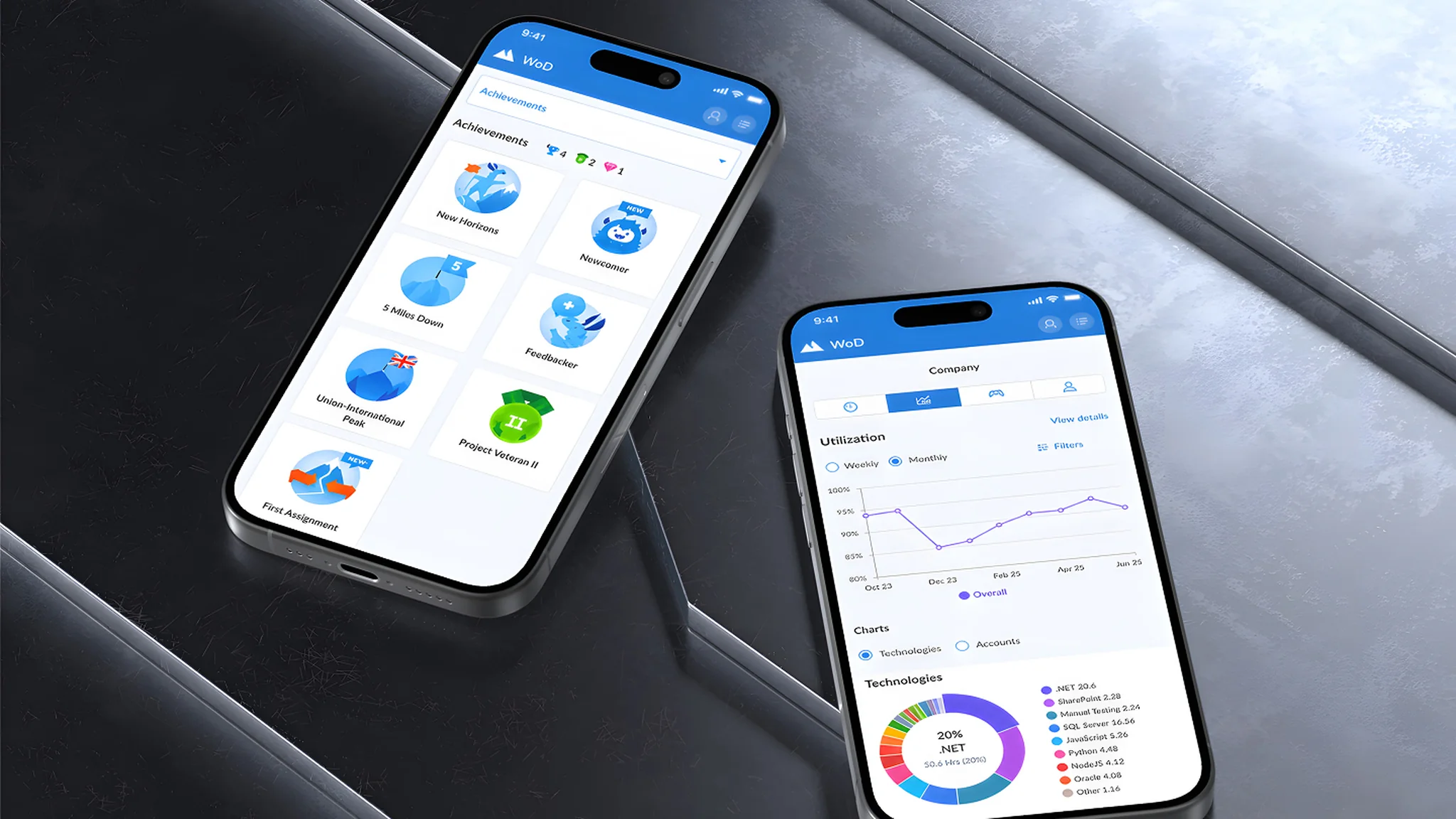
Atlas AI: A context engine for the entire SDLC
Before bringing it to clients, Vention built it for itself. Atlas AI serves as the internal context layer behind our AI-enabled delivery system. It feeds project-aware context into coding, reviews, QA, and documentation workflows so outputs stay accurate without engineers constantly re-prompting models from scratch.
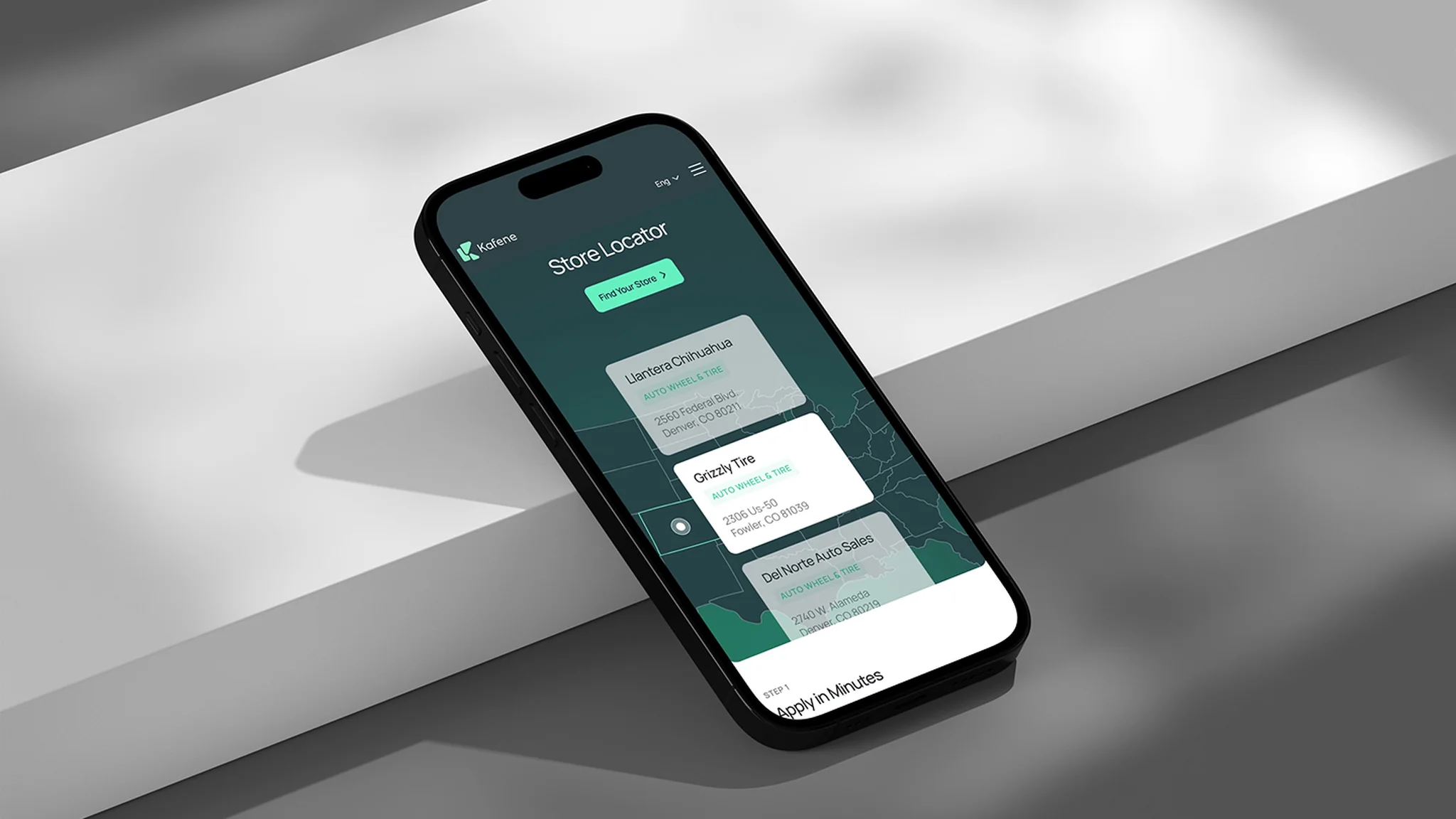
Fintech company: Shifting engineering time from bug fixes to feature delivery
The client struggled with knowledge silos, slow onboarding, and uneven code quality across a growing fintech platform. Vention integrated AI into documentation, IDE assistance, pull request reviews, and CI/CD quality gates while keeping governance and validation embedded throughout the workflow.
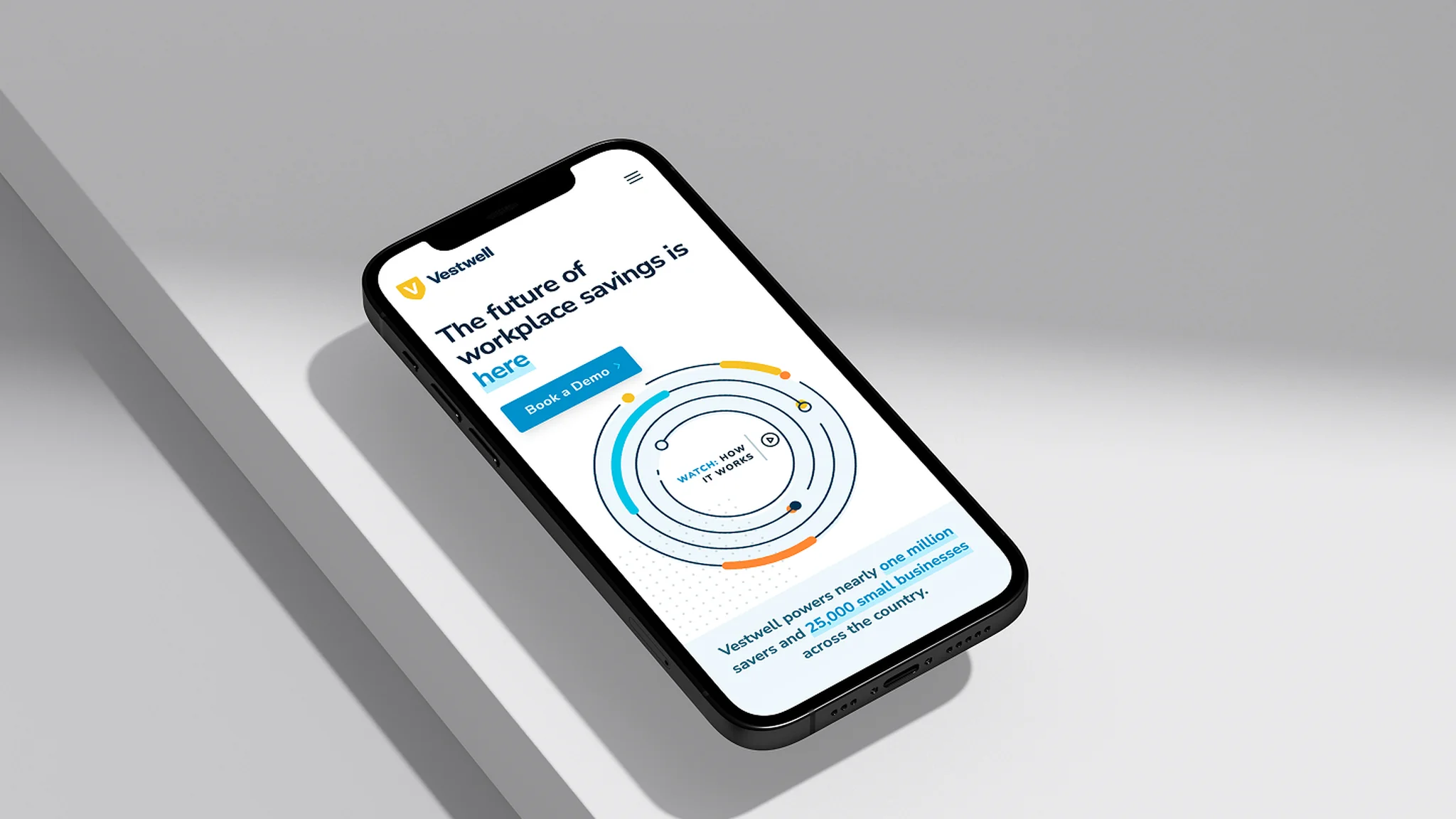
Retirement savings platform: 80% of support calls resolved by AI
Vention implemented ElevenLabs voice agents and Twilio routing to help a retirement savings platform automate opt-outs, status checks, and participant data updates for both employers and end users. As a result, dedicated AI agents now handle routine requests while routing more complex conversations to human support when needed.
What gets measured gets managed...and multiplied
Most engineering organizations are flying blind. They have Copilot licenses, AI tooling, and a general sense that engineers are moving faster, but no data leadership can confidently stand behind. Vention's analytics platform pulls live signals from GitHub, AI tooling, and delivery workflows to give leadership a defensible, boardroom-ready view of where AI drives real value across the SDLC.
Adoption
AI-assisted PR rates, agent vs. engineer task distribution, and tool adoption across teams, helping identify workflow gaps and coaching opportunities.
Productivity
Accepted AI suggestions, cycle time across SDLC stages, and hours saved by task type, always measured alongside quality signals rather than in isolation.
Knowledge
Documentation coverage and the share of AI-generated plans actively used in delivery, revealing where AI creates meaningful value and where workflows need refinement.
Economics
Cost per feature and net engineering gain measured in Human Equivalent Hours, benchmarked before rollout and tracked continuously after implementation.
FAQs
How do you know AI is actually helping and not just creating more work?
AI-generated code is the easy part as most teams can show you that. What's harder to prove is whether engineers are spending less time fixing, rewriting, and chasing down problems after the fact.
We focus on the numbers leadership actually cares about: are features shipping faster? Are fewer bugs making it to production? Is the team doing more with the same headcount? If those aren't moving in the right direction, the AI isn't really working.
What does the Peace of Mind Promise actually mean in practice?
Software projects fail because communication breaks down, priorities shift without warning, risks stay hidden until it's too late, or the team can't scale when the plan changes. Rarely because of the code itself.
The Peace of Mind Promise is built around those realities. You get direct access to senior delivery leadership, you always know where things stand, and you can adjust as the business evolves. Without the surprises that tend to come with software delivery.
How is Vention different from EPAM, Globant, or Accenture?
Most large firms lead with capability statements and AI positioning. Vention leads with a maturity model, a binding outcome guarantee, and a spec-driven delivery approach that covers the full SDLC artifact chain from requirements through maintenance, all backed by the Peace of Mind Promise embedded directly into the engagement contract.
What size company is the right fit?
The model fits companies of all sizes, but especially mid-market organizations, enterprises with 5,000+ employees, and growth-stage technology companies building long-term AI-enabled delivery foundations. Many turn to Vention after leadership pushes teams to “do AI” while still expecting predictable delivery outcomes, engineering accountability, and software quality at scale.
Why do clients stay with Vention for years?
Predictability. Companies don't need another vendor promising faster delivery. They need a partner who can spot what's likely to go wrong before it happens and help them avoid it.
That's why so many of our relationships last for years. We focus on making software delivery feel less risky, less chaotic, and a lot more predictable.

You can't pilot your way out of a pilot.
Book a maturity audit with a Vention AI SDLC lead. We’ll tell you exactly where your engineering organization sits on the five-stage model, expose the highest-impact opportunities you’re leaving on the table, and put a hard-dollar number against each one before you leave the room.