


Computer vision for quality inspection and control
Vention’s expertise in computer vision, backed by over 150 successful AI projects, helps elevate your quality control processes to 24/7 automated operation with minimal defect escapes.
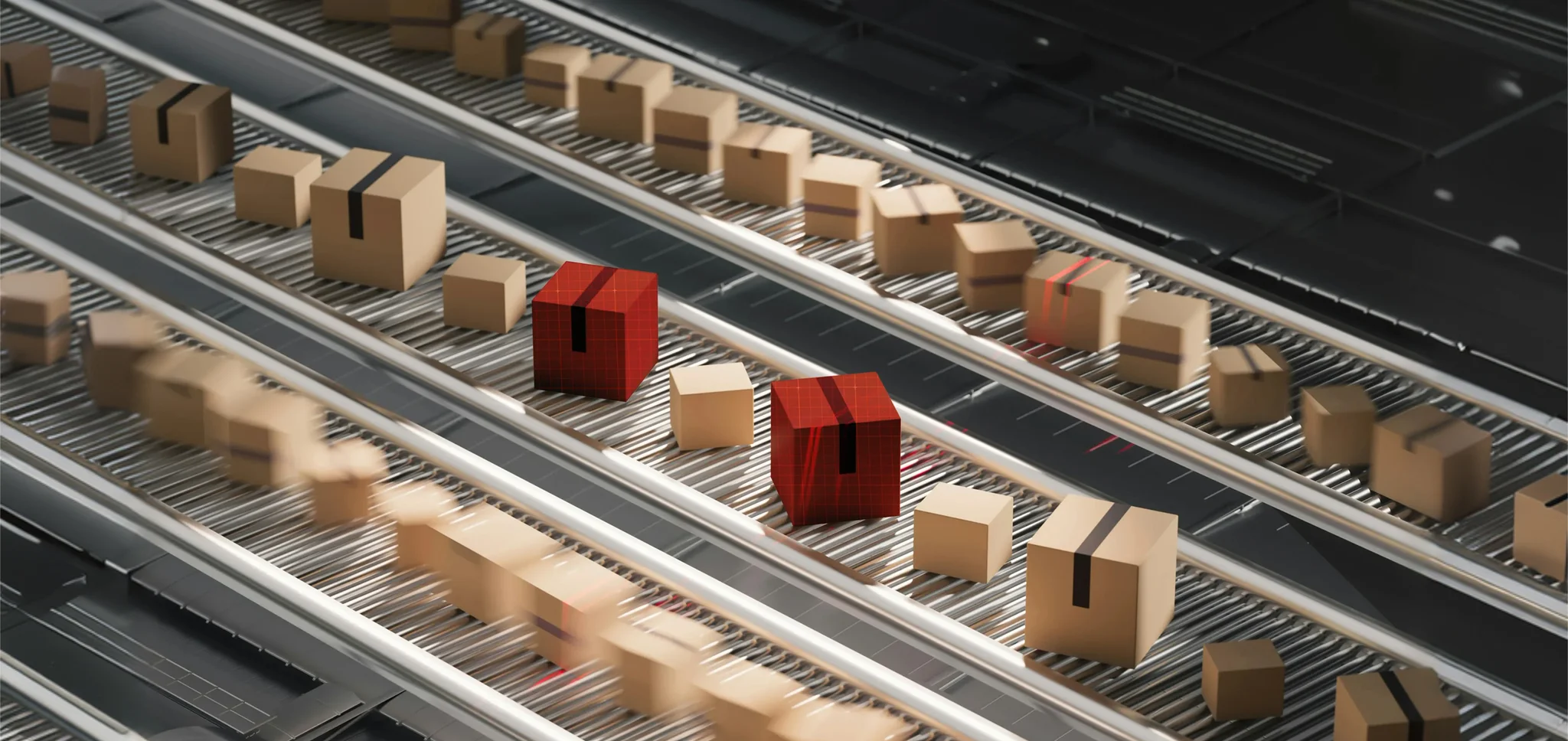
Why computer vision for quality inspection and control?
Defects in production are more than operational hiccups. They can cost millions, damage reputations, and slow growth. Manual inspections often fall behind modern business needs, which leads to bottlenecks, human error, and inconsistent results.
Product recalls and large waves of returned items affect more than immediate revenue. They influence long-term stability and shape how customers see the company.
Computer vision for quality inspection and control totally changes that. With Vention’s expertise, you will be able to deploy defect detection powered by computer vision running at production speed, which means catching issues earlier, reducing costs, and delivering steady, reliable quality 24/7.
The role of computer vision in quality inspection
Quality inspection automation using computer vision has helped companies like Amazon, Tesla, and BMW Group catch defects early for years.
Think of it as having a quality control specialist present wherever production is happening. The specialist never gets tired and has all the tools needed to inspect every item at high speed, removing defective pieces from the line or notifying the right team members.
Throughput boost
Fewer defect escapes
Detection rate
Flat performance curve 24/7
How Vention helps businesses with computer vision for quality inspection
Vention is an AI-first software partner for businesses of all sizes and across many industries. We don’t just build software. Instead, we help you understand where computer vision makes sense, how to apply it efficiently, and how to implement it in a way that fits your operations today and doesn’t require rework tomorrow.
Before development begins, Vention conducts workshops where our top AI experts and senior engineers meet with your stakeholders, and together we identify the most practical uses of computer vision for quality control within your business. All of this helps you avoid ideas that will not deliver value.
PoC and MVP development
Once the direction is clear, we help refine your ideas into real-world concepts. Through PoC and MVP stages, we focus on gathering the right data with the smallest reasonable investment. Here, our goal is to give you the insight needed to decide how and when to move forward.
With proven concepts in place, Vention helps you build production-ready solutions that support your quality inspection processes.
We roll out the system in stages and integrate it with your existing tools, which will keep operations stable and allow your team to adopt the solution without disruption.
Integrating AI into your existing systems
If your production lines already use cameras or sensors, Vention can enhance them with AI. It automates repetitive tasks, improves the accuracy of quality control, and frees your team to focus on work that requires human judgment.
Post-launch maintenance and support
Once the solution goes live, we offer ongoing support upon request. Vention stays involved to maintain performance, support scaling, add new features, expand data coverage, or move the solution to the cloud when needed.
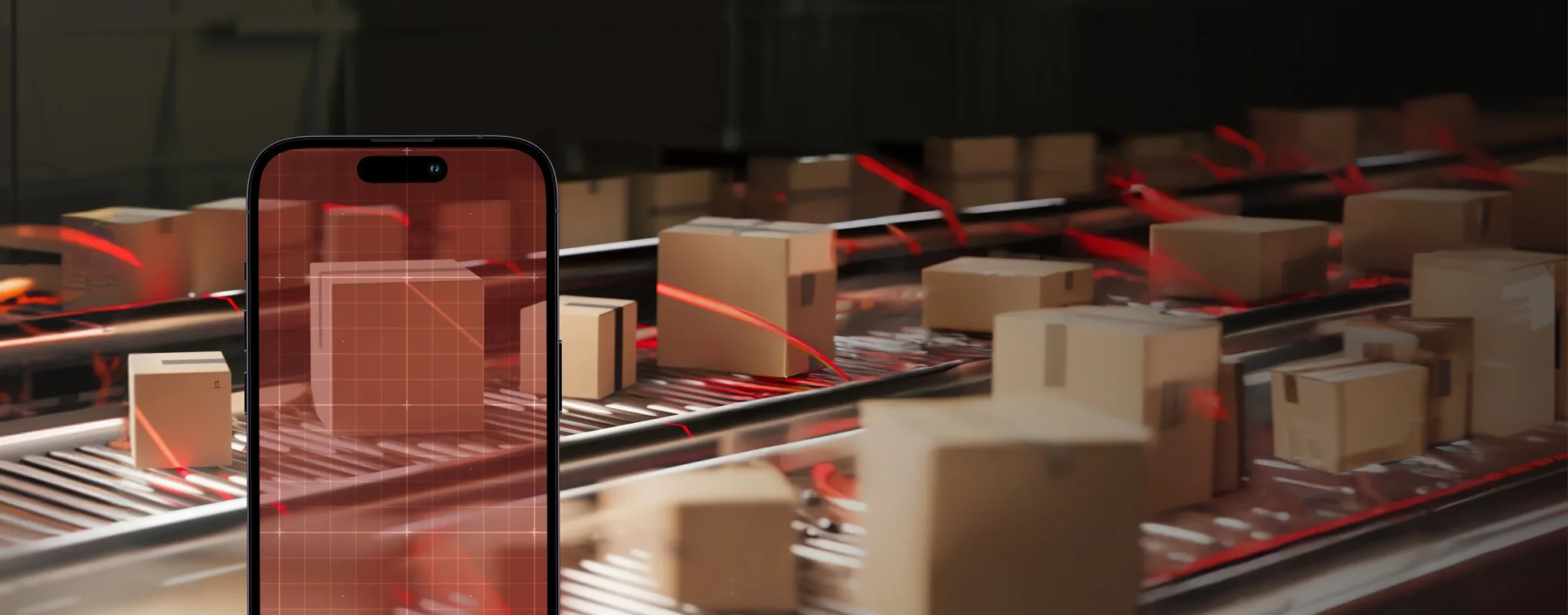
Get ready for less mess, stress, and redress.
Strengthen your quality control with computer vision and deliver durable products with fewer returns and higher customer satisfaction.
Vention’s peace of mind promise
When you choose a partner for a computer vision project, you sure want a team that understands your goals, anticipates roadblocks, and delivers consistently top-tier results. At Vention, our peace of mind promise rests on four commitments that help ensure your project moves forward successfully, no matter what.
Kickoff in 14 days
We commit to starting your project within 14 days of contract* signature. And this timeline is fixed. Within two weeks, our engineers will begin validating your ideas and turning them into working solutions.
Dedicated advocates
Every qualified engagement includes a dedicated Delivery Manager and a dedicated Strategy Partner. They support you across the entire project, from day-to-day coordination to clearing blockers and accelerating decisions. You always have clear visibility into progress and next steps.
Quality from the start
We set the quality bar from the first day of our partnership because strong foundations reduce the need for costly fixes later. Our Delivery Managers monitor quality throughout the project, flag risks early, and ensure your product stays aligned with agreed standards.
Frictionless scaling
Momentum matters, so we provide strategic guidance when it’s time to scale your team. As you plan further growth, we assess your project based on experience gained across companies of many sizes, from early-stage startups to large enterprises. Then, we draw from our pool of pre-vetted experts who are ready to deliver results, not just join the team.
*For reference, “contract” refers to a fully executed agreement that includes a statement of work and defines scope, timelines, budget, technical approach, and team structure.
Why adopt computer vision with Vention
Years of experience in custom software development
Industries covered
ISO/IEC 27001 certified
$600k/year average client savings
AI projects successfully delivered
Engineers with AI-specific skill sets
AI-first company with a dedicated AI Center of Excellence, which means direct access to the latest AI practices, tools, and applied expertise
Assistance in choosing stacks that reduce both upfront and ongoing maintenance costs
How AI-powered quality control systems capture defects
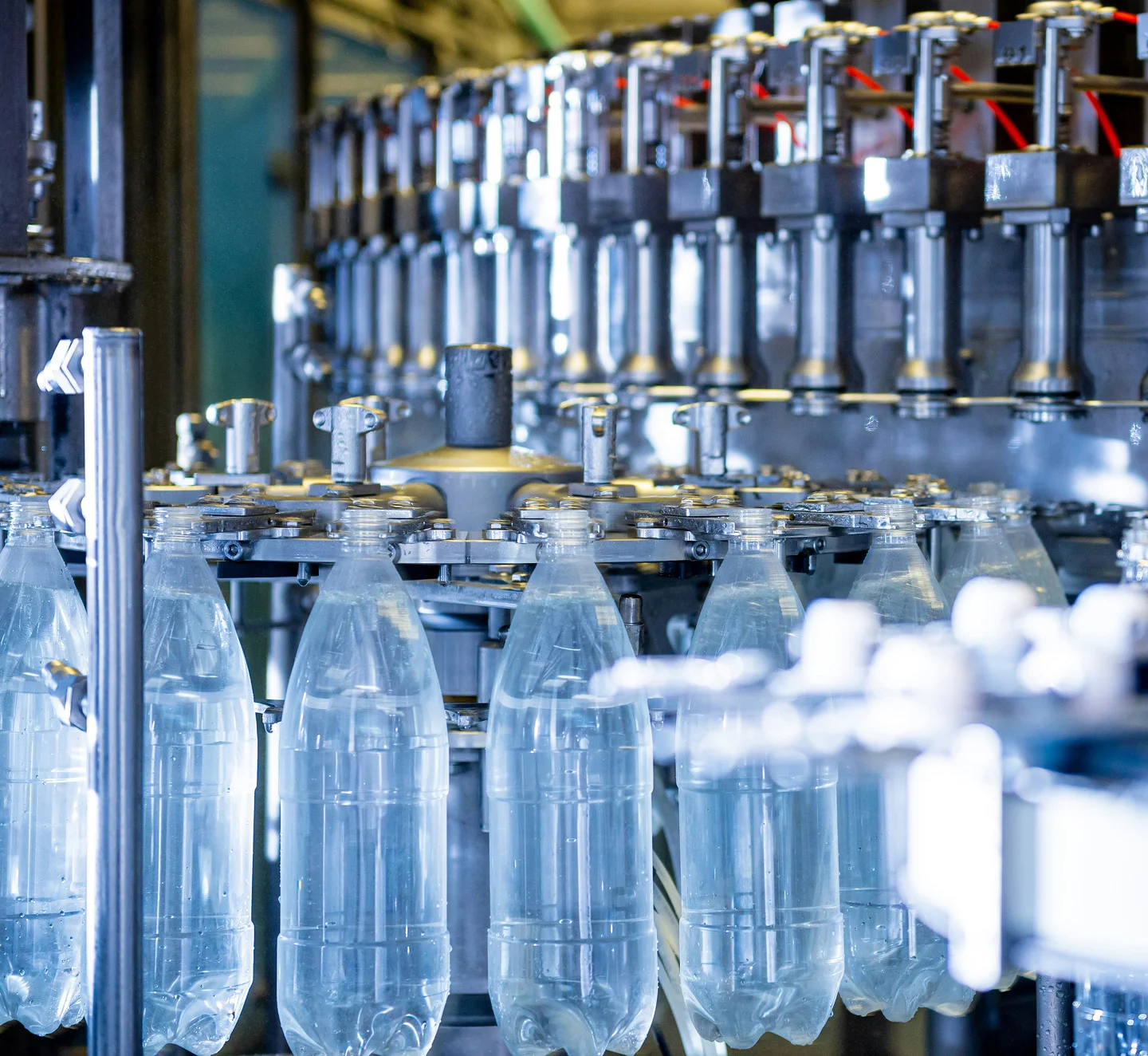
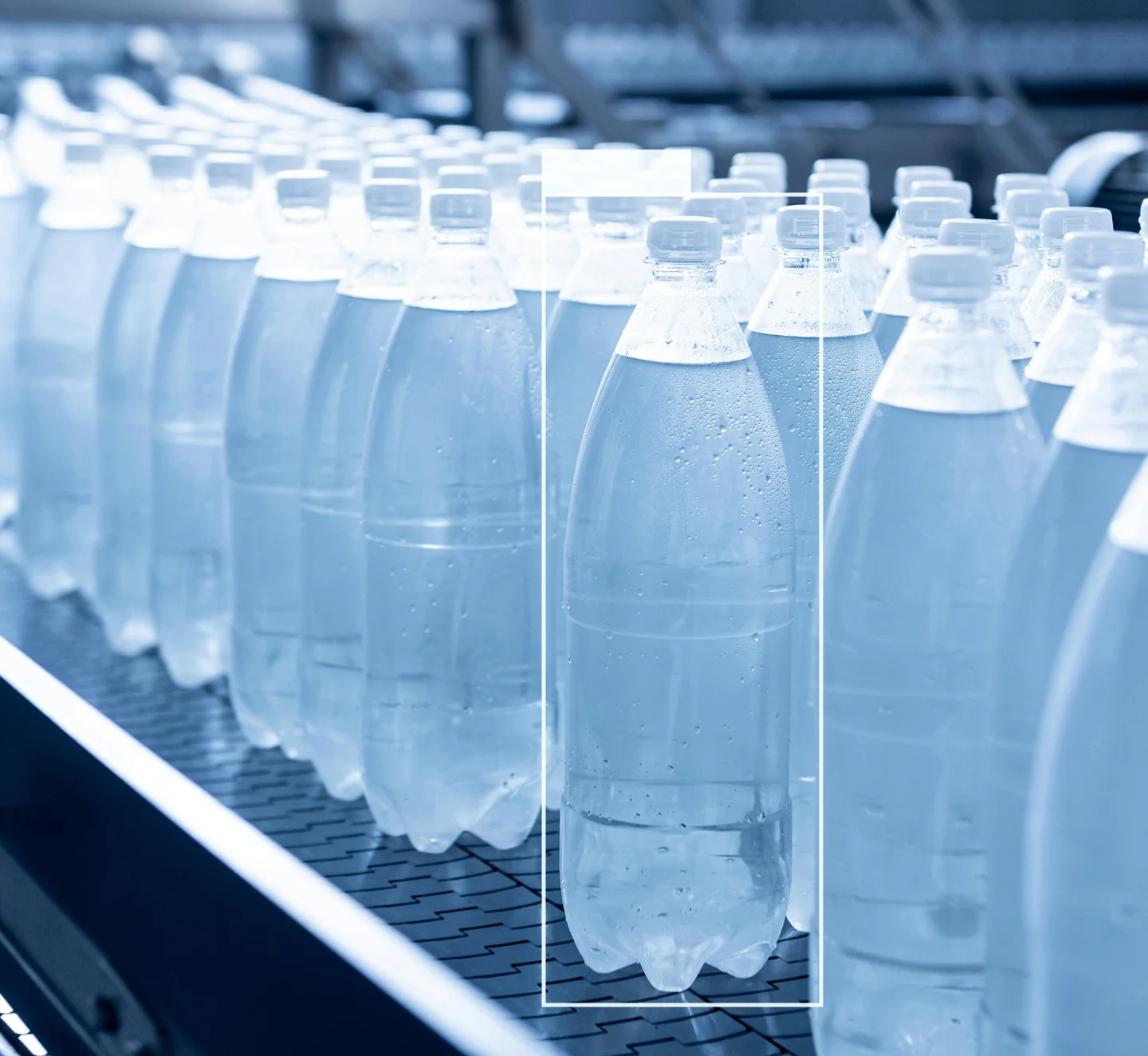
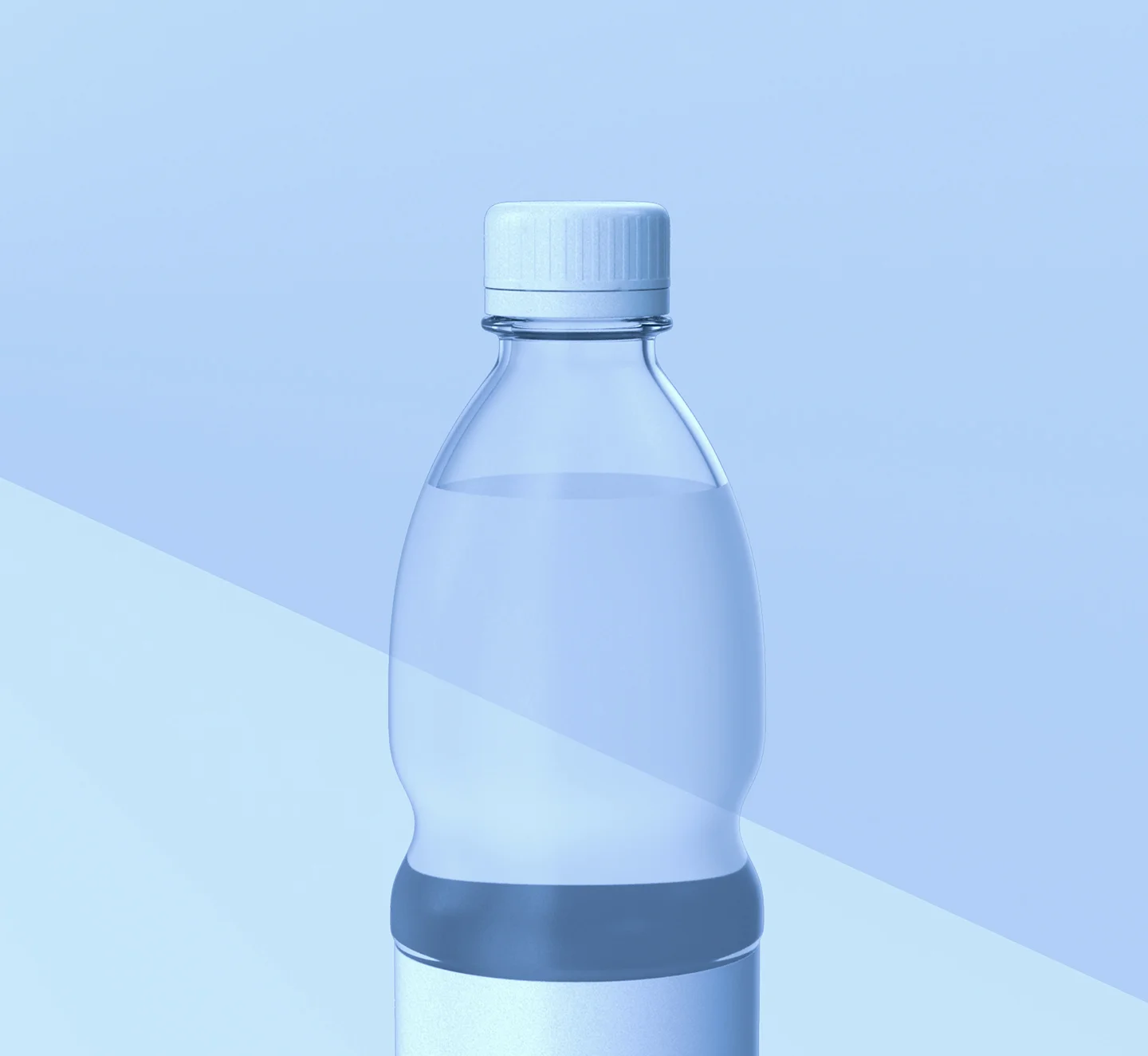
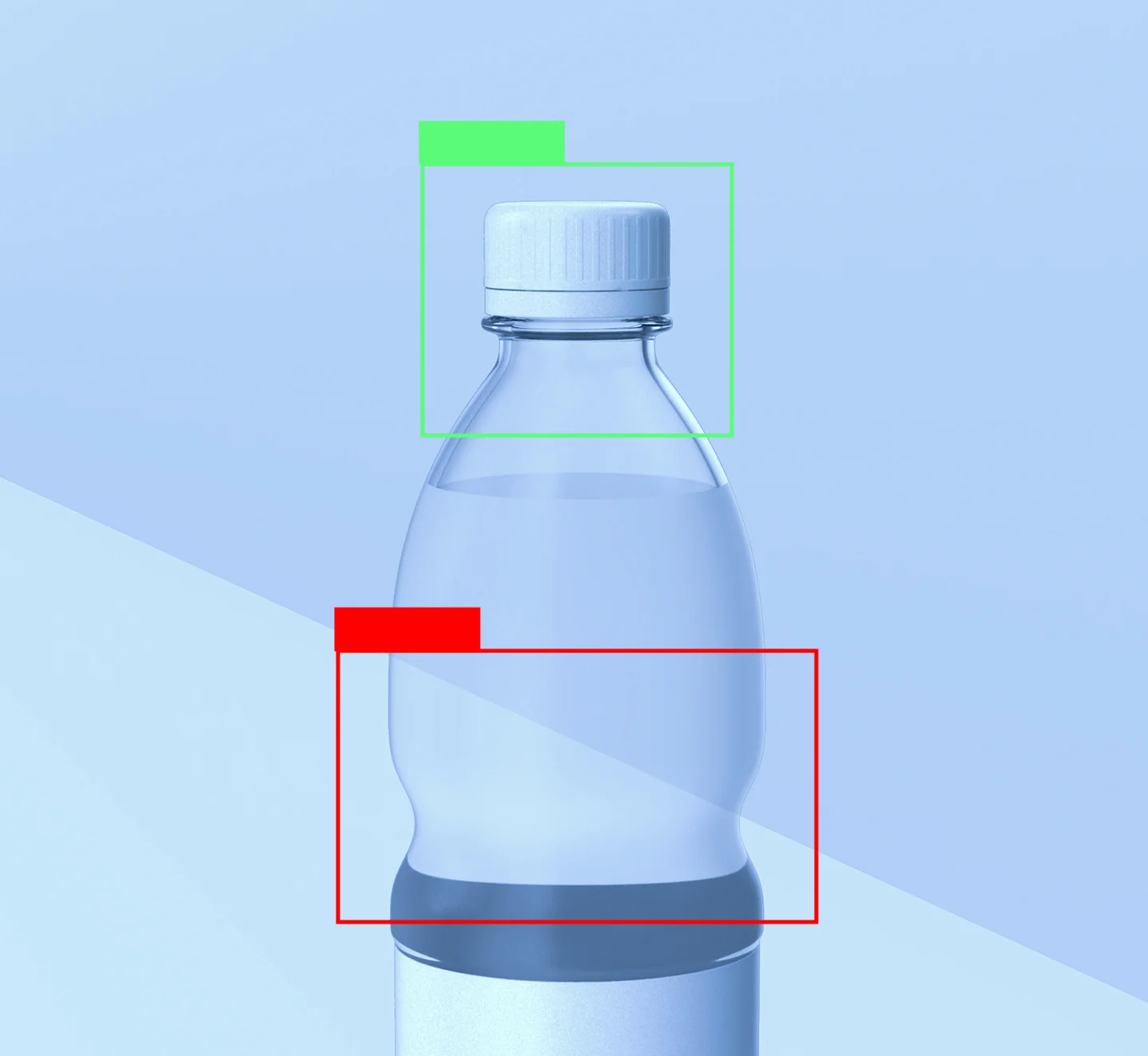
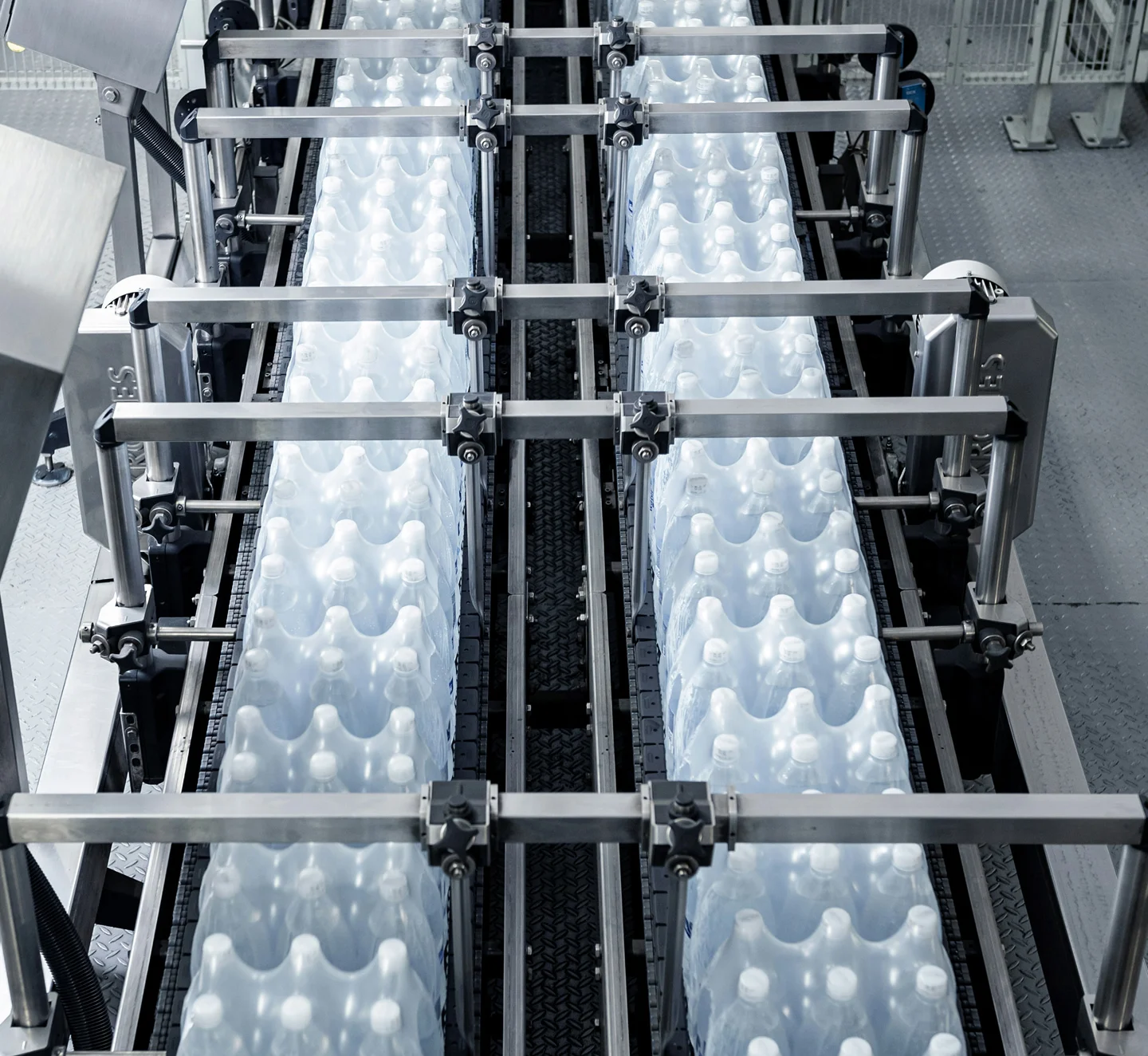


Image capture
Image pre-processing
Model analysis
Defect classification and decision-making
Automated response
Data logging
Reduced defects in shipments
A set of cameras takes high-resolution photos of the items on the production line. These photos are then sent to an algorithm that prepares them for use by a model.
To create a uniform image that the model can analyze without issues, an algorithm adjusts raw input for brightness, contrast, and any lighting changes.
After the pictures are prepared, a deep learning model scans them, extracts the features it is trained to detect, and checks for any deviation from set standards.
The model gathers its findings and evaluates them against the predefined parameters. Every item is then marked as passed, failed, or needing manual review.
Based on the result and the system's setup, the item can proceed to the next production step, be sent for repair or reuse, or be set aside for manual review.
When connected with MES, ERP, or other quality systems, all findings and product metadata are stored for traceability, compliance, and performance monitoring.
As a result, companies ship fewer faulty products and spend less on returns, lost customer trust, and rework.
Vention’s expert says
The best thing is that computer vision is not limited to what the human eye can see.
When needed, it can look beyond the visible spectrum with infrared, UV, or X-ray views, which gives you precise quality control without opening the product or risking any damage.”

Machine Learning Engineering Manager at Vention
Computer vision vs. traditional inspection
Companies turn to machine vision for quality inspection because of clear advantages in speed, consistency, and scale. Below is a breakdown of the key differences.
Computer vision | Traditional inspection | |
|---|---|---|
Speed | Extremely fast, can process hundreds or even thousands of items per minute. | Slow, typically a few items per minute. |
Accuracy and consistency | Highly accurate and consistent. Can perform inspections 24/7. | Prone to fatigue, subjectivity, and human error. Consistency varies between specialists. |
Scalability | Can be easily duplicated across multiple production lines with consistent performance. | Scaling up requires hiring and training more people. |
Objectivity | Purely data-driven and objective. Decisions are based on pre-defined algorithms and standards. | Subjective. Judgment can be inconsistent and varies between specialists. |
Cost | High initial investment but low operational costs, leading to long-term savings. | High recurring labor costs. |
Data collection | Automated and standardized, allowing the collection of vast amounts of data, root cause analysis, and process improvement. | Limited to manual logs, which are often incomplete or inconsistent. |
Detection capability | Can detect microscopic defects and expand beyond human vision with technologies like thermal or hyperspectral imaging. | Limited to human vision and access to advanced hardware and software that could require special skills. |
Decision-making | Instant, automated, and in accordance with set standards and procedures. | Often delayed, done post-process, and relies on a specialist’s judgement. |
Challenges in AI-powered quality inspection Vention solves
Depending on the size of your company, you may view quality control differently. Whatever your starting point is, Vention has the expertise and creativity to design a solution that fits your specific goals.
Startups
- Need to validate new production or packaging processes quickly.
- Need to start small but stay scalable for rapid growth.
- Limited budget for in-house QA teams or custom equipment.
- Need for flexible solutions that support evolving workflows.
SMBs
- Limited AI and ML expertise, which reduces the bandwidth needed to build and maintain advanced CV models.
- Manual QA bottlenecks when inspection speed cannot keep up with higher production volumes.
- Need to scale quickly when demand increases overnight.
- Budget concerns that make it hard to invest in projects with unclear ROI.
Enterprises
- Legacy system constraints that require integrating CV solutions into decade-old MES or ERP systems.
- Real-time decision-making needs due to complex processes and constant demand for products.
- Data complexity brought by millions of data points that require robust and automated logging.
- Compliance demands in certain industries like pharmaceuticals, automotive, or food and beverages.
Not sure where to begin? Let’s start with an AI workshop.
Vention’s senior engineers and AI specialists will help you understand:
- Your project’s feasibility
- Potential gains
- Best application options
- How to get there
Computer vision for quality control use cases across industries
Depending on your business domain, you may want to detect specific flaws or abnormalities in the goods you produce. Different cases may require different hardware setups, but one thing will remain the same: the software’s ability to respond to defined flaws with steady, reliable consistency when the quality control solution is built correctly.
Manufacturing
- Detect surface defects such as scratches, dents, or cracks.
- Confirm that each product meets size requirements and that cavities form correctly.
- Verify proper placement and secure connection of parts.
- Assess welds for porosity, cracks, undercut, or uneven bead size.
- Check that barcodes, serial numbers, and other markings appear in the right place and remain easy to read.
- Confirm that packaging includes every required item before shipment.
Food and beverage
- Ensure goods stay free of non-food materials.
- Assess ripeness, cooked state, or overall quality.
- Maintain a consistent look across batches.
- Verify that identifiers such as barcodes and labels sit in the correct location.
- Stop items with poor sealing from entering the next stage.
Pharmaceuticals
- Spot contamination in medicine or packaging.
- Track dosages, expiry dates, and batches.
- Flag damaged or poorly produced products.
- Address faulty or compromised packaging.
- Confirm correct fill levels.
- Record and check regulatory codes.
Logistics
- Track item numbers and routing details.
- Spot damage on packages.
- Enforce correct sorting and alignment before shipment.
- Record tracking numbers with consistency and accuracy.
Construction
- Detect micro-cracks in materials.
- Ensure surfaces match the construction plan.
- Verify layouts and assembly of prebuilt components.
- Maintain dimensional accuracy across prefabricated items.
Agriculture
- Streamline the sort of harvested goods.
- Track weed and pest pollution.
- Identify foreign objects such as rocks or pests.
- Catch signs of crop or livestock disease early.
- Maintain a consistent look for packaged produce.
Electronics
- Spot solder defects on circuit boards.
- Confirm correct component placement and orientation.
- Detect microscopic trace breaks.
- Flag defects on silicon wafers before they cause damage.
- Check screens for flaws.
- Support automated assembly lines.
Vention expert says
Using computer vision for quality inspection and defect detection in manufacturing enables you to check both the exterior and internal parts and structures of a product without disassembly or any actions that could damage it.
You can inspect every product and every batch to the level you need and from any angle. Compared to the limits of traditional inspection methods, this technology becomes a lifeline for businesses that rely on speed, accuracy, and reliability in their operations.”
Machine Learning Engineering Manager at Vention
Computer vision for quality control: how to get started
As with any major operational change, updating your processes to incorporate a computer vision-based quality inspection requires careful planning. If done poorly, it introduces more issues than it solves. If done correctly, it becomes a long-term advantage.
Based on our experience with AI projects, the Vention team has identified the key steps you should take to maximize success and make the introduction of computer vision-based quality control automation to your operations as seamless and efficient as possible.
Gather requirements and define the use case
Every strong project starts with clear requirements and realistic use cases. A good first step is to bring quality control representatives together with a vendor you trust. A workshop helps you align the business needs with the technical side of the future solution.
Assess feasibility and make a PoC
Once you know how you want to use computer vision in quality control and what you expect from it, the next step is to understand the value it will deliver. Ask your vendor for a cost estimate that includes staff training, hardware, and the expected value over time.
If the numbers make sense, build a small proof of concept. A PoC shows how the core idea works in practice without committing to full hardware setups or large investments.
Gather and annotate data
In any project that involves AI, data sits at the center. Make sure the data fits your use cases, stays clear and usable, and covers different variations of the situations you expect the system to handle.
The quality of this data shapes the accuracy of the final solution. Poor data at this stage often leads to issues later.
Train and test your CV model
Once your data is ready, train the model to detect the defects you want to track. During this step, AI specialists recreate real production scenarios. They show the model clean and defective items, teach it to avoid false positives, and ensure it does not miss real defects.
Launch an MVP
Launching an MVP will be the first real test of your new solution. Gather the equipment you need for one inspection spot, set it up, and connect it to the AI system you trained in the previous step. Let it run for some time under the supervision of reliable quality control professionals, logging everything the system does and how it affects the speed of this production area.
If something feels off, refine it, as it may involve adding more data, improving labeling, or adjusting the hardware setup. If everything looks stable, you’re ready to move forward.
Iteratively deploy the whole solution
If the MVP performs well, extend the solution across your production lines. Create computer-vision inspection zones for each line to reduce defects, maintain consistent quality, and lower operational costs.
Monitor and optimize the performance
Even the strongest setup benefits from careful monitoring. Track the system for a period after full deployment to avoid bottlenecks, catch issues early, and confirm the solution scales as demand changes.
Post-launch maintenance and support
Congratulations! You’ve automated your quality control processes with a computer vision-based solution. But just like your production line, it will need regular check-ups and maintenance if you want it to always give 100% of its potential.
What ROI can you expect from computer vision for quality inspection?
Return on investment matters for businesses that improve operations with care and intent.
One advantage of projects like machine vision for quality inspection is the speed of return on investment. You don’t need to wait a year or longer to see results. In most cases, teams see measurable impact within three to nine months. The exact timeline depends on how much you invest in staff training, hardware, and supporting materials.
A reliable way to improve ROI is to follow a staged approach. Always start with clear requirements and well-defined use cases. Move through PoC and MVP phases, and then expand the solution across production in steps. While this approach requires an early investment in testing and validation, it often results in reduced costs over time.
For example, identifying one or more weak use cases during the PoC stage costs far less than discovering the same issues during a full rollout across multiple sites.
How to assess ROI of your solution?
Calculating ROI at each stage is a tricky task. Every phase brings its own benefits and sometimes minor drawbacks. Below is an approximate view of how value builds throughout implementation.
Approximate costs | Benefits on success | Benefits if stopped early | Approximate ROI | |
|---|---|---|---|---|
PoC | From $5,000 to $20,000 | Data-backed confidence in feasibility and readiness for the next step | Early validation that prevents further spending on a weak concept | Not tangible, conceptually a small premium for making an informed decision to move further/shelve the project |
MVP | From $25,000 to $80,000 | Lower labor costs, reduced scrap and rework, and higher throughput | Clear signal on whether scaling makes sense | 50-200% |
Complete solution | From $100,000 | Aggregated savings, stronger processes, fewer warranty claims, improved reputation | Not applicable | Often exceeds 200% |
Vention expert says
From a technical perspective, investment usually falls between two options: adapting existing solutions or building a system from the ground up. A single correct choice doesn’t exist.
PoC and MVP stages help clarify direction. When tasks remain straightforward, existing tools offer a faster and more cost-effective path. As complexity grows, custom systems often provide better control and long-term value.
Let’s say a process requires checks across multiple points at the same time, such as labels, defects, and correct placement, then a more advanced system can coordinate several computer vision models, each focused on a specific task.”
Machine learning engineering manager at Vention
Ready to turn your idea into a working inspection system?
Tell us what you’re trying to solve, and we’ll assemble a team that knows how to move from concept to production without unnecessary friction.
FAQs
How do you handle variations in lighting, shape, color, or material?
Vention trains computer vision models on diverse datasets that account for variations in lighting, shape, color, and material. Depending on what you manufacture, the items in these data sets will differ and reflect the actual products you produce and inspect.
Remember that the quality inspection area should have stable directional lighting and minimal distractions. Poor conditions can cause a computer vision model to flag false positives or miss real defects.
Can CV solutions be integrated with our existing production line and equipment?
Yes, computer vision solutions can integrate with existing production lines and equipment.
We design solutions to stay flexible, which makes it much easier to connect them to cameras, sensors, and other systems already in use. Integration can go far enough that faulty products are automatically removed from the line once the computer vision model detects them.
What is the typical “payback period” for computer vision systems in quality control?
Typically, such projects achieve a full return on investment within six to 14 months. If your business belongs to a high-velocity or a high-precision sector like semiconductors or pharmaceuticals, the full ROI can be achieved even faster, in four to five months.
How much data do I need to train a model?
The amount of data needed depends on the task and the project stage. A basic defect detection model at the PoC stage may require several hundred images. More complex inspections involving different defect types typically require several thousand images to perform reliably.
Can CV systems work in harsh industrial environments?
Yes, with the right hardware. Industrial cameras and computing units are built to withstand dust, liquids, vibration, and temperature changes. If required, computing hardware can be placed away from the production line, with only cameras installed on site.
What happens if a new defect appears?
It’s called a zero-day defect and is common in real production environments. The model may not recognize the issue at first. But once identified, usually through a human check, you can collect new data and retrain the model to track this defect as well.
Zero-day defects are the main reason ongoing monitoring remains important, even when quality control appears stable.